Form library · Health and safety

RAMS template

A risk assessment and method statement in one form, written on a phone or laptop and sent to the client as one PDF. Choose the type of work and the lists match your trade; pick a hazard and tick its controls from an HSE based list, then say how they apply on this job. Try the form below, see every question or open a completed example.

For contractors, installers, facilities teams and event crews who have to send a RAMS before they can start on someone else's site.

Working outside the UK? In the US this is usually a JHA or JSA, in Australia a SWMS, in Canada an FLHA.

  • Hazards scored 1 to 5 before and after the further action
  • Sequence of work with hold points and heights measured from a photo
  • Crew cards and competence, permits, COSHH, emergency and rescue
  • Briefing signatures on the device, author and approver sign-off
  • A count of what still has to be resolved before work starts

Ready to use from the form library, and every question is yours to edit. Try it for a small trial fee, cancel any time.

One email, and we won't add you to a mailing list.

Sections
8
Questions
151
Guidance notes
53
Photo fields
4
Signatures
3
Worked out
35

What is a RAMS, and what should a RAMS template include?

RAMS stands for risk assessment and method statement: one document that lists the hazards of a job with their controls and risk ratings, then sets out the sequence of work with those controls at each step. The risk assessment part is the employer's suitable and sufficient assessment under regulation 3 of the Management of Health and Safety at Work Regulations 1999; the method statement part is what clients and principal contractors ask for before work starts. A good RAMS reads like this job, not the last one: the crew, the access, the hazards and the steps all name this site, and anyone reading it can see which control deals with which hazard and who checks it before the next step.

Last updated . Facts checked by the SiteSurvey team on 25 October 2026 against regulation 3 of the Management of Health and Safety at Work Regulations 1999, HSE on construction health and safety paperwork, CDM 2015, regulation 2 (construction work), CDM 2015, regulation 15 (contractors), CDM 2015, regulation 20 (demolition or dismantling), Work at Height Regulations 2005, regulation 4, Electricity at Work Regulations 1989, regulation 14, Confined Spaces Regulations 1997, regulation 4 and HSE GS6, Avoiding danger from overhead power lines.

How to write a RAMS in eight steps

The form follows the same eight pages, so writing one on site is the same as writing one at a desk. Each step says what a reader will look for.

  1. Describe the job

    Name the site, the client and the principal contractor, the dates and the type of work. Say what the job includes, what it does not, and where on the site it happens. The type of work sets the lists on every later page.

  2. List the people and their competence

    Name the supervisor and the crew. Record the cards and training the work needs with their expiry dates, and note anyone working under supervision. This is the evidence for CDM 2015 regulation 15.

  3. Assess the risks

    Take each hazard in turn: what it is, where it is, who might be harmed and how. Tick the controls that apply, write how they work on this site and this access, score the risk, and set the further action with an owner, a date and a residual score.

  4. Write the sequence of work

    Set out the steps in order with the controls at each one and the hold points where someone checks before the crew moves on. For a step at height, measure the working height from a photo and name the access equipment.

  5. Record plant, materials and PPE

    List the plant with its inspection dates, the substances with their COSHH assessment references and the PPE for each hazard. PPE is the last control in the order of preference, so it sits beside the barriers and isolations, not in place of them.

  6. Set the permits, emergency and environment arrangements

    Record the permits the job needs, such as hot works, electrical isolation or permit to dig, then first aid, the rescue plan, the assembly point and how an emergency is raised, and the arrangements for waste, dust, noise and the public.

  7. Brief the crew

    Everyone on the job reads or hears the RAMS before work starts and signs on the device to say so, with the date. The form warns if fewer people have signed than are on the crew.

  8. Approve and review

    Someone other than the author checks the RAMS and signs it off before the start date, once the count of points to resolve is zero. Set the review triggers and keep the earlier revision when the sequence changes.

Risk assessment, method statement and RAMS: which is which?

RAMS is the usual name for the two documents together. This form holds both, so the risk register and the sequence of work are checked against each other before anyone signs.

Risk assessmentMethod statementRAMS (this form)
What it doesIdentifies the hazards, who might be harmed and the controlsSets out, in order, how one job is done safely with those controlsBoth, in one document, with the steps and the register cross-checked
Required by law?Yes: a suitable and sufficient assessment (MHSWR 1999, regulation 3), recorded by employers with five or more staffNot for most work. Demolition or dismantling arrangements must be in writing (CDM 2015, regulation 20)The risk assessment part meets the duty; the rest is what clients and principal contractors ask for
ScopeA site, workplace or activityOne task, one crew, one set of datesOne job, with the hazards for that job
Who signsThe assessorThe author, an approver and the crew at the briefingAuthor, approver and every crew member
Separate templatesRisk assessment templateMethod statement templateYou are on it

Sources: regulation 3 of the Management of Health and Safety at Work Regulations 1999, CDM 2015, regulation 20 (demolition or dismantling) and HSE on construction health and safety paperwork.

What changes when you choose the type of work

The first page asks what type of work the RAMS is for. That answer changes the choices offered on the later pages. The document structure, the scoring and the checks are the same for every trade, and Other shows every option.

Type of workHazards addedCards and trainingPermits and access
Construction and buildingExcavation and underground services, falling objects, vehicles and plant, lifting, hot works, confined spaces, overhead lines, weatherCSCS, CPCS or NPORS, SMSTS or SSSTS, IPAF, PASMA, asbestos awareness, confined spaceHot works, permit to dig, confined space entry, roof access, fixed scaffold
Electrical and M&EElectricity and live working, asbestos, hand-arm vibration, lifting, hot works, confined spacesECS card, 18th Edition, inspection and testing (2391), IPAF, PASMAElectrical isolation, hot works, permit to dig, confined space entry, roof access
AV, IT and data cablingElectricity and live working, falling objects, asbestos, lifting, lone working, fragile roofsECS card, 18th Edition, IPAF, PASMA, CSCSElectrical isolation, roof access, venue or client work permit
Roofing, scaffolding and work at heightFalling objects, fragile roofs and skylights, hot works, hand-arm vibration, lifting, overhead lines, weatherCSCS, CPCS or NPORS, SMSTS or SSSTS, IPAF, PASMA, harness and lanyard, abrasive wheelsHot works, roof access, fixed scaffold, roof edge protection, rope access
Facilities, cleaning and maintenanceElectricity, asbestos, vehicles, hot works, confined spaces, lone working, fragile roofs, biological hazards and sharpsBICSc, Gas Safe, CSCS, IPAF, PASMA, confined spaceHot works, electrical isolation, confined space entry, roof access, client work permit
Events, exhibitions and stagingTemporary structures and rigging, crowds at build and breakdown, falling objects, vehicles, lifting, electricity, overhead lines, weatherRigging competence, IPAF, PASMA, harness and lanyardElectrical isolation, venue work permit, truss, stage or rigging access
Grounds, landscaping and tree workChainsaws and cutting equipment, overhead lines, excavation, hand-arm vibration, vehicles, lone working, biological hazards, weatherChainsaw units (NPTC or LANTRA), CPCS or NPORS, abrasive wheels, harnessPermit to dig, rope access or climbing

Manual handling, slips and trips, power tools, hazardous substances, noise, fire and the public are offered to every trade. Every list also includes the cards, PPE and triggers common to all work.

What makes a RAMS a principal contractor will accept

Controls for this hazard, and the residual score

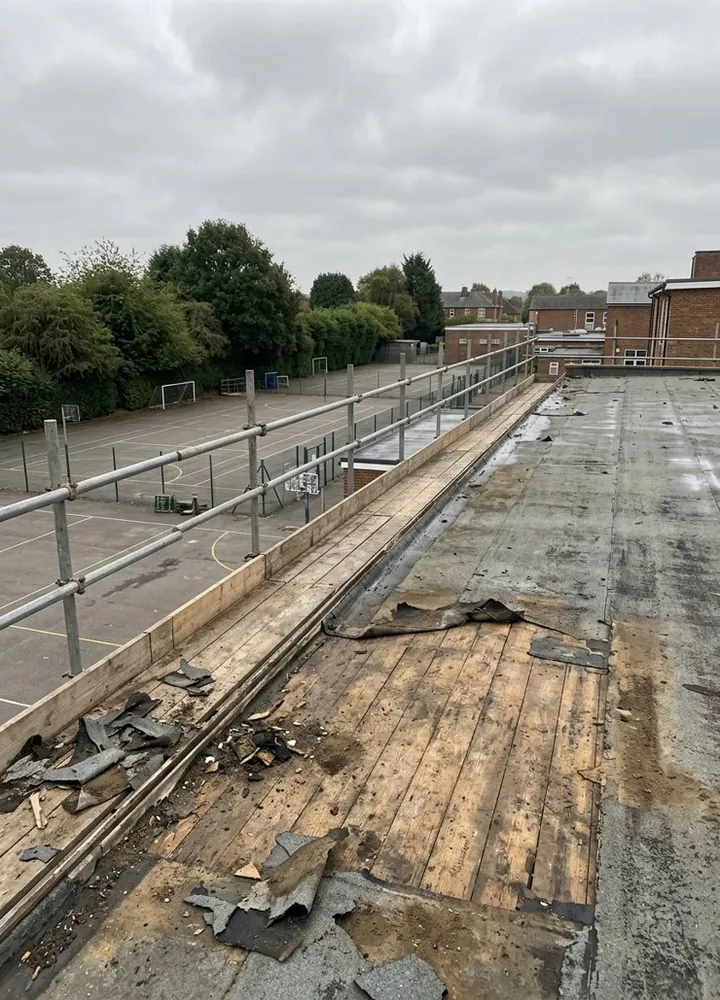
Roof renewal, hazard 1, work at height. Five controls ticked from the list, then one paragraph naming the perimeter scaffold, the hoist and the rooflight covers. Scored 15 (high) as found, further action is the scaffold handover and tag check as a hold point, residual score 5 (medium). The approval page shows nothing outstanding once the crew have signed and the approver has.

Fictional example. Record the actual evidence and approved arrangements for your job.

A common recording mistake

Ticking the controls and leaving the how-it-applies box empty. A tick says a guardrail exists somewhere; the crew needs to know which edge, which scaffold and who checks it. The other one is approving the RAMS while the approval page still counts points to resolve.

What happens next

Brief the crew from the form and collect their signatures before work starts. Review it when the method, crew, equipment or conditions change, and keep the previous revision when the sequence changes.

Built for RAMS a principal contractor will accept

Risk assessment and method statement in one form, so the hazards, the controls and the step-by-step method are checked against each other before anyone signs. Choose the type of work and the lists match your trade. Pick a hazard and tick its controls from an HSE based list; the form flags a hazard that relies on PPE alone. The approval page counts what still has to be resolved.

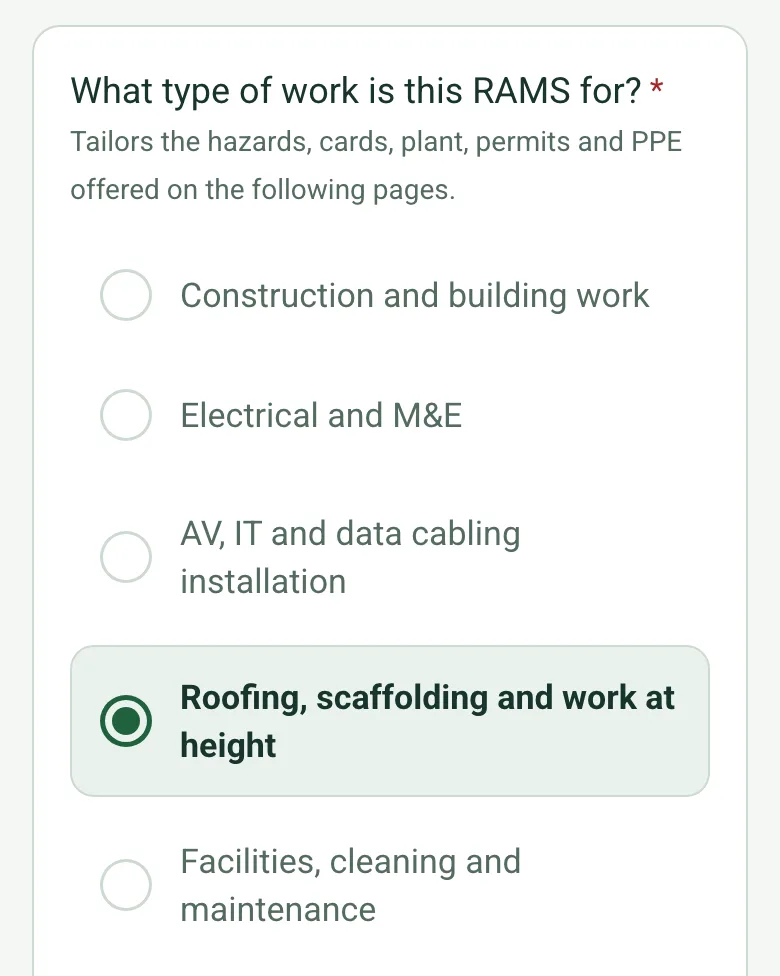
The type of work question set to roofing, scaffolding and work at height, and the hazard list below it showing fragile roofs and skylights, hot works and overhead power lines

Tailored to the trade

One question on the first page, type of work, changes the hazards, cards, plant, access, permits, PPE and review triggers offered on every later page. A roofer sees fragile roofs and hot works; an electrician sees live working and ECS cards; an events crew sees rigging and crowds. Choose Other to see everything.

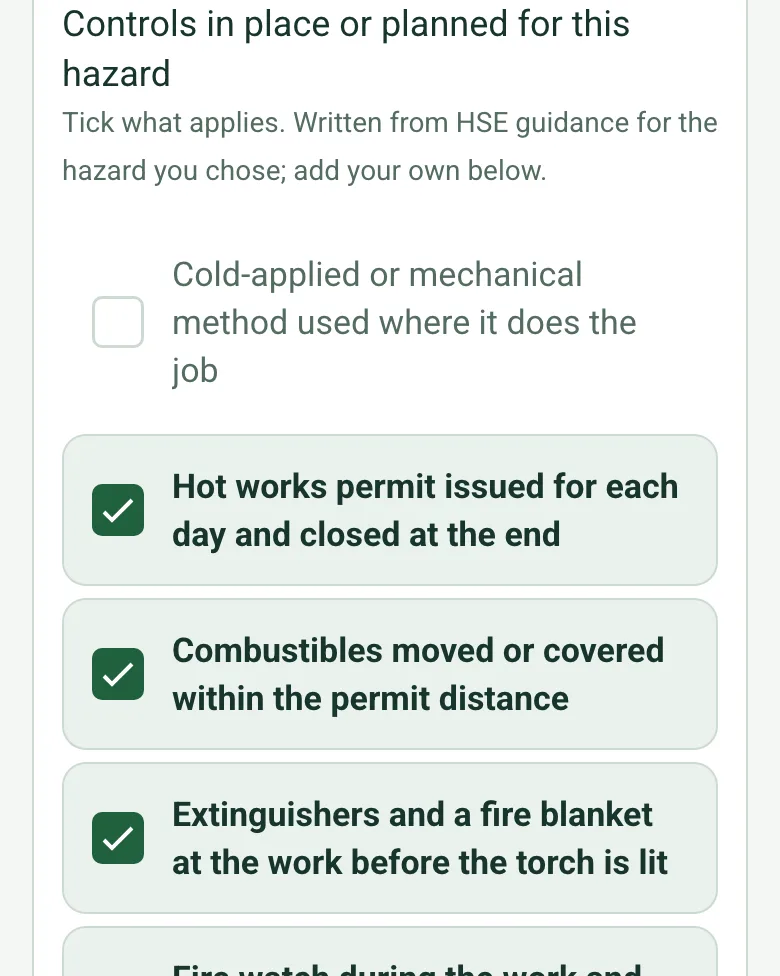
A hazard entry with Hot works chosen and a tick list of controls for it: cold-applied method, hot works permit, combustibles moved, extinguishers and fire blanket, fire watch, cylinders secured, flame resistant clothing

Controls to tick, then yours

Choose a hazard and the form offers its controls from HSE guidance as a tick list, each tagged with its place in the hierarchy of controls. Tick what applies, add your own, and say how they work on this site. Rely on PPE alone and the form says so; leave a hazard with nothing and the approval page counts it.

How suggested controls work →
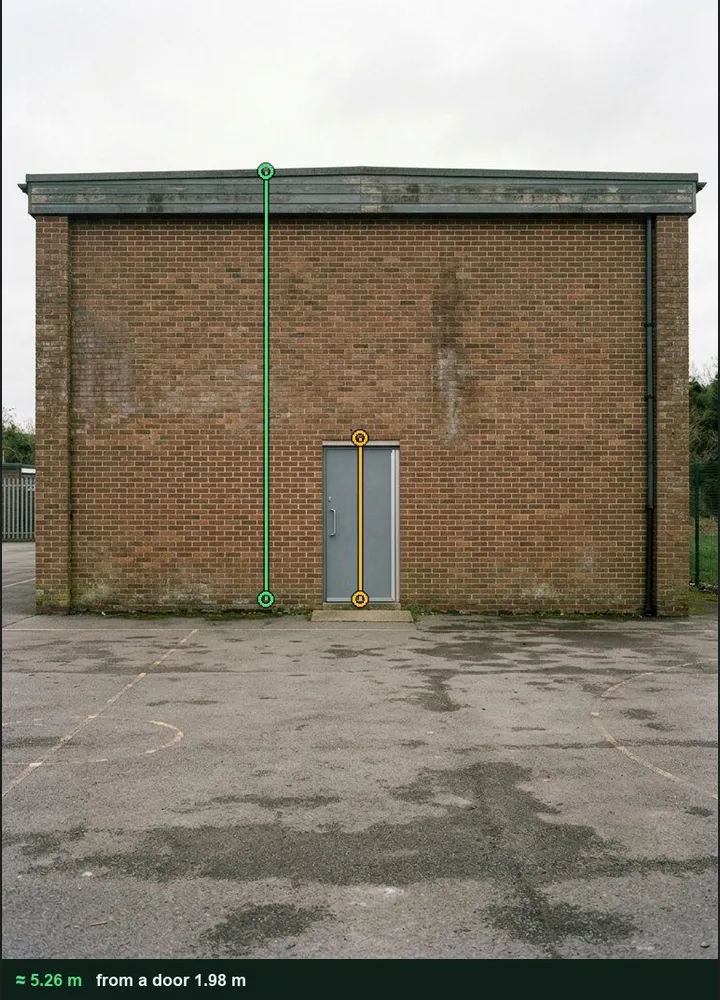
The brick end wall of a school sports hall marked up in Measure from photo: an amber line on the door and a green line from the ground to the fascia, about 5.26 m

Working height from a photo

For a step at height, photograph the building with a door in the same plane and tap both ends. The height goes into the step with the marked-up photo and feeds the highest working height on the sequence page. It works on web forms in any phone browser today, and the app version is on its way.

How measuring from a photo works →
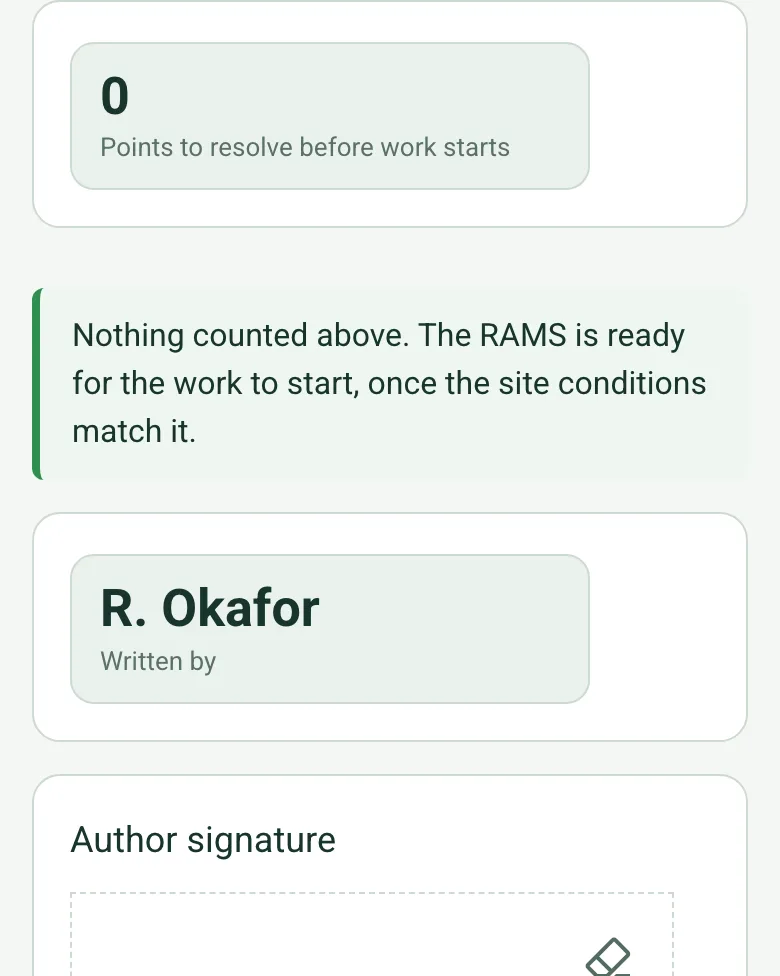
Points to resolve before work starts: 0, with a green note that the RAMS is ready for the work to start

Ready to start, or not

The approval page counts what would stop the work: no hazards recorded, a hazard still rated high after its further action, crew not briefed, fewer signatures than crew, a hot works step with no permit, work at height with no rescue plan, possible asbestos with no survey reference, a substance with no COSHH reference, a card expiring before the start, or no approver.

How calculated fields work →

Walk the access route first

Point 1 of the walk-round films the way in from the gate to the work area, including any shared routes, so the briefing shows the crew the route the RAMS describes rather than the one they would have guessed.

Film the hold point

The optional Walk Cam walk-round films the access route, the work area, the edges and hold points, and welfare and first aid, with a guided prompt at each point. What you say is turned into text, so the release before the next step is on video.

Fire point before the torch is lit

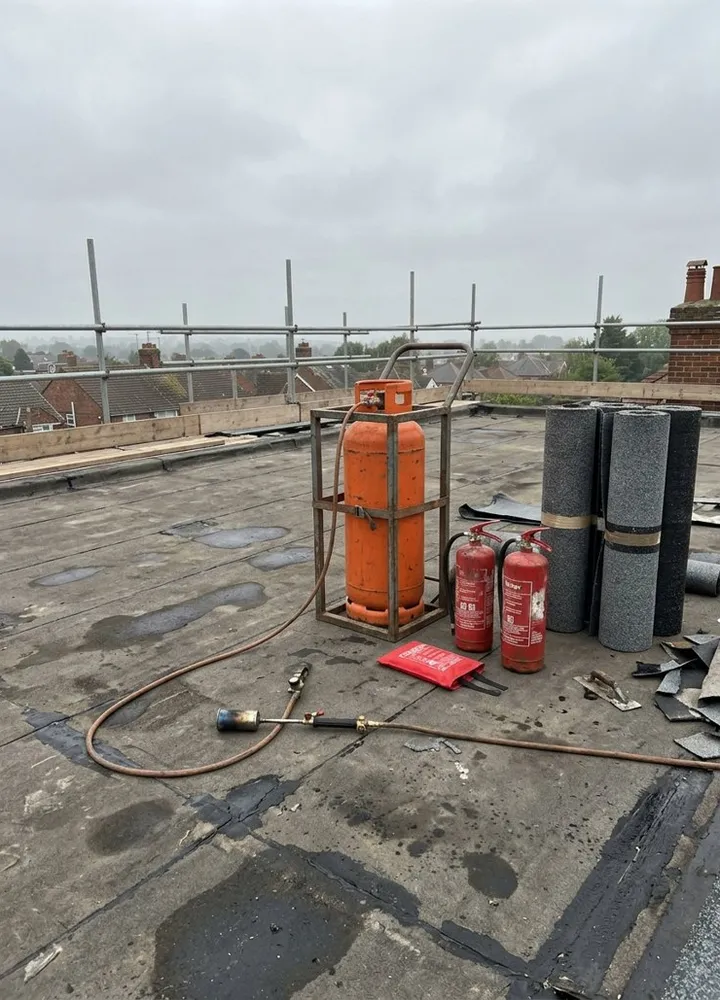
A hot works step in the sequence makes the form ask for the hot works permit on the permits page and raises a red note if none is recorded. The fire point itself is filmed at the hold point each morning before the torch is lit.

A completed RAMS

A fictional roofing job: renewing the felt roof covering on a school sports hall during half term. Nine hazards with their controls ticked and explained for the job, two scored high before the scaffold and rooflight covers brought them down, six steps with three hold points, the eaves height measured from a photo, a labourer under supervision, three COSHH references, a hot works permit, a rescue plan, four crew signatures and an approval by the health and safety manager.

The edge of a flat school roof with double scaffold guardrails and toeboards, old felt stripped back to the timber deck, a school yard and trees below
Hazard 1 · work at height · perimeter scaffold with double guardrails
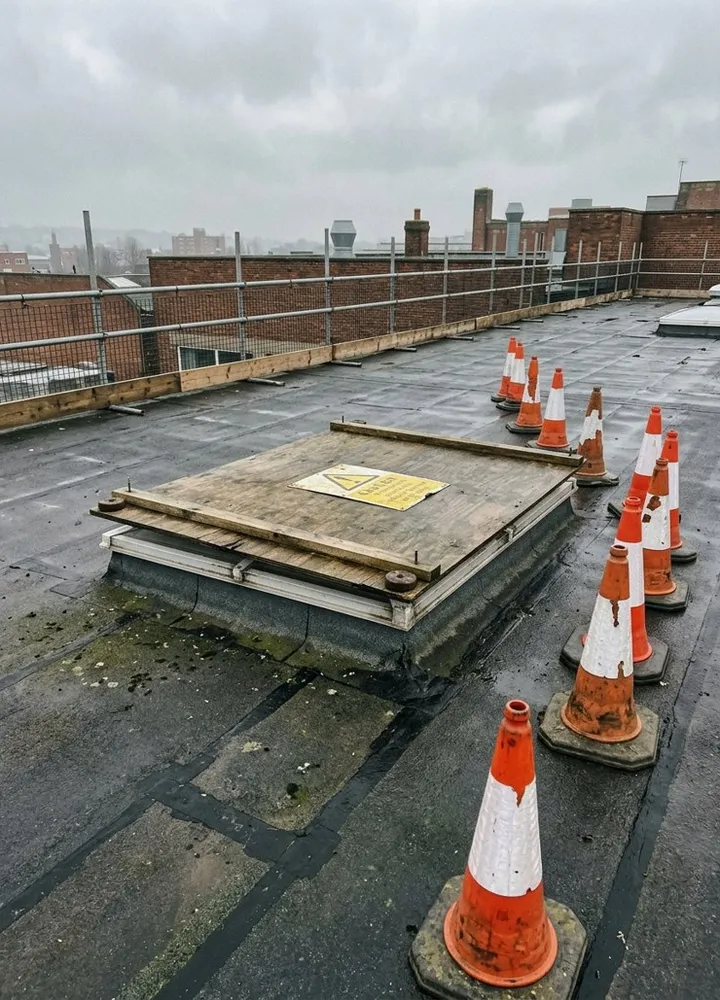
A rooflight on a flat felt roof covered by a fixed timber board with a yellow sign, orange cones marking a route past it
Step 2 · rooflight covers fitted · hold point
A hot works station on a flat roof: an orange propane cylinder strapped upright in a frame, two red water extinguishers, a fire blanket and rolls of torch-on felt
Step 5 · torch-on felt · hot works permit HW-AR-031
Walk Cam point 4 · welfare and first aid: the cabin by the north gate, first aid kit inside, assembly point at the gate sign

Examples by scenario

The same RAMS, filled in for 11 different jobs

Every one is fictional and read only. Open it to see how the type of work changes the hazards, cards and permits offered, what a finished risk register and sequence of work look like for that trade, and what the crew signed. Each has a blank copy to try and a PDF of the report.

Roofing, scaffolding and work at height

Felt roof renewal on a school sports hall

Strip and renew a built-up felt roof during half term: perimeter scaffold, rooflight covers, torch-on felt under a hot works permit, an asbestos check on the old covering and a labourer under supervision.

  • Work at height
  • Fragile roofs and skylights
  • Hot works
  • Asbestos
  • Lifting operations

Construction and building work

Foundations and drainage for a house extension

A groundworks subcontractor digging footings and a drain run beside an occupied house: services located and a gas service hand dug around, trench supports, a mini excavator and dumper on a tight drive, the family and their dog kept clear.

  • Excavation and underground services
  • Vehicles and mobile plant
  • Hand-arm vibration
  • Members of the public and building occupants

Electrical and M&E

Distribution board replacement in an occupied office

A weekend board and sub-mains change in a plant room: isolation at the cut-out, proved dead, live testing justified and controlled, a 1980s board checked against the asbestos survey, and one electrician finishing alone on the Sunday evening.

  • Electricity and live working
  • Asbestos
  • Lone working
  • Fire

AV, IT and data cabling installation

LED display and speakers in a school hall

An AV installation in term time with the hall out of use: a mobile tower to 5.8 m, a genie lift for the display frame, an exclusion zone under the work, a dedicated circuit isolated before terminating, and children on the premises. Construction work under CDM, as cabling and AV installation is.

  • Work at height
  • Falling objects
  • Lifting operations
  • Members of the public and building occupants

Facilities, cleaning and maintenance

Clearing and deep cleaning a void flat

A housing association void with needles reported in the bathroom: a sharps sweep as the first hold point, soiled items bagged and labelled, white goods down two flights, a 1960s flat checked against the asbestos survey, and one operative working alone on the second afternoon.

  • Biological hazards and sharps
  • Manual handling
  • Lone working
  • Asbestos

Events, exhibitions and staging

Outdoor stage and rig for a Christmas lights switch-on

A ground-support truss roof, flown PA and lighting in a market square open to the public: the structure signed off before anything is flown, wind limits from the wind management plan, breakdown after the square clears, and a rescue plan for a suspended rigger.

  • Temporary structures and rigging
  • Weather, heat and cold
  • Crowds at build and breakdown
  • Lifting operations

Grounds, landscaping and tree work

Dismantling a storm-damaged ash near an 11 kV line

A brittle ash with dieback beside a school field: the line shrouded by the network operator for the day, the tree dismantled from a tracked MEWP rather than climbed, sections lowered on rigging into a drop zone, and the footpath stewarded.

  • Overhead power lines
  • Chainsaws and cutting equipment
  • Work at height
  • Falling objects

Facilities, cleaning and maintenance

Pump replacement in a foul water chamber

A failed submersible pump freed by hand in a 3 m chamber: entry only because the guide rails have failed, gas tested and ventilated, a tripod and winch with retrieval line, the supply proved dead, and a rescue plan that never sends a second person in.

  • Confined spaces
  • Hazardous substances and dust
  • Biological hazards and sharps
  • Lifting operations

Electrical and M&E

Welding heating pipework in a hospital plant room

Cutting out corroded flow and return pipe and welding in new sections under an occupied outpatients building: a hot works permit each day, the plant room detectors isolated and reinstated by estates, fume extraction on the torch, and a pressure test as the hold point before refilling.

  • Hot works
  • Fire
  • Hazardous substances and dust
  • Noise

Roofing, scaffolding and work at height

Independent scaffold on a seafront hotel

Four lifts with a pavement gantry and netting on an open hotel: advance guardrails and harnesses as each lift goes up, an anemometer and a stop limit on an exposed seafront, banksmen while the hiab lifts over the pavement, and a tag and handover inspection before anyone else goes on.

  • Work at height
  • Weather, heat and cold
  • Falling objects
  • Members of the public and building occupants

Construction and building work

Pallet racking in a live warehouse

Six runs of 8 m racking installed while forklifts work the other aisles: the zone barriered with an agreed pedestrian route, scissor lifts rather than climbing the frames, anchors torque-checked as a hold point before beams are loaded, and dust extraction on the drills.

  • Work at height
  • Vehicles and mobile plant
  • Manual handling
  • Falling objects

The hazard register from the completed example

The 9 hazards of the fictional Ashcombe Academy roof renewal, as entered on the phone. 2 were rated high as found; every one came down once the further action was done, and the approval page showed nothing left to resolve.

HazardWhere it isScore as foundFurther actionResidual score
Work at heightWhole roof: 5.3 m to the fascia, 44 m by 18 m15 (high)Scaffold handover certificate and tag checked by D. Hale before the first shift, and the 7-day inspection recorded on the scaffold register. Rooflight covers fitted before stripping starts (see the next hazard). (D. Hale)5 (medium)
Fragile roofs and skylightsSix polycarbonate rooflights along the centre line15 (high)Covers fitted and checked by D. Hale as a hold point before stripping starts. (D. Hale)5 (medium)
Hot worksTorch-on felt across the roof; gas bottles at the north end8 (medium)Permit HW-AR-031-01 issued and the fire watch log kept in the permit folder in the welfare cabin. (D. Hale)4 (low)
Hazardous substances and dustPrimer and propane at the work; dust when cutting insulation6 (medium)COSHH references recorded on page 5. (D. Hale)3 (low)
Manual handlingFelt rolls (about 35 kg) and insulation boards from the yard to the roof6 (medium)Hoist booked with the scaffold and its thorough examination certificate checked at handover. (D. Hale)3 (low)
AsbestosOld felt layers and the soffit boards at the eaves5 (medium)None beyond the survey check. The stop and report rule is in the briefing. (D. Hale)5 (medium)
Lifting operationsScaffold hoist at the north end8 (medium)Hoist certificate and gate interlock checked at the step 1 hold point. (D. Hale)4 (low)
Members of the public and building occupantsNorth yard and the footpath along Mill Lane8 (medium)Netting checked and the fence line walked at the start of each day. (T. Varga)4 (low)
Weather, heat and coldWhole roof9 (medium)Wind limit written on the welfare cabin board and in the briefing. (D. Hale)6 (medium)

Score is likelihood times severity, each from 1 to 5. The residual score is the same sum after the further action is done. The bands are this form's own, not a legal scale.

Source: HSE, Managing risks and risk assessment at work.

Try the RAMS form live

Answer a few questions and watch it adapt. Your answers are not saved, and any photos you add are deleted within the hour.

Live form: RAMS: Risk Assessment and Method StatementOpen full screen ↗
Fill it in right here

This is the real form as your team would use it: questions appear as you answer, scores work themselves out and you can add photos and signatures. No sign-up needed. Or open a completed example to see every answer, photo and score filled in.

Want to see one filled in? See a completed RAMS report (PDF), made by SiteSurvey from a fictional site visit.

Every question in the RAMS template

One document for the job: hazards with suggested controls and 1 to 5 scores, the sequence of work with hold points, crew cards and competence, plant, COSHH, permits, emergency and rescue, briefing signatures and approval. Tailored to construction, electrical, AV and IT, roofing, facilities, events or grounds work. 8 sections and 151 questions. Follow-up questions and guidance appear only when an answer calls for them, so the person on site never sees the ones that do not apply.

Make it your own: every question is editable

This is a starting point, not a fixed form. Once it is in your SiteSurvey account you can reword any question, add or remove questions, sections and answer options, and add your own logo, so it fits the way your team works and the jobs you do.

Details you only enter once

Add this form to a project in SiteSurvey and it fills in what the project already knows, so nobody on site retypes it and every form on the job uses the same names. Anything filled in can still be changed.

  • Project: the project name
  • Client: the project's customer
  • Site: the site, when the form is opened for a space or a product
  • Site address: the site address, from the space or the project

Each section opens on its own. The first is open; tap a heading to see the rest.

The job

22 questions
  • ProjectShort answer
    Fills in from the project name
  • RAMS reference*Short answer
  • RevisionShort answer
  • Date written*Date
  • ClientShort answer
    Fills in from the project's customer
  • Site*Short answer
    Fills in from the site, when the form is opened for a space or a product
  • Site addressShort answer
    Fills in from the site address, from the space or the project
  • Where on site is the work?Short answer
  • Work position on site (GPS)Short answer

    Mark the work area so the crew and the approver can find it.

  • What type of work is this RAMS for?*Choose one

    Tailors the hazards, cards, plant, permits and PPE offered on the following pages.

    • Construction and building work
    • Electrical and M&E
    • AV, IT and data cabling installation
    • Roofing, scaffolding and work at height
    • Facilities, cleaning and maintenance
    • Events, exhibitions and staging
    • Grounds, landscaping and tree work
    • Other
  • Task*Short answer
  • Scope of the work*Notes

    What is and is not included.

  • Start date*Date
  • Expected finish dateDate
  • Calendar days, including the start and finishWorked out by the form
    Shown only when the answers above make it relevant
  • CheckThe finish date is before the start date. Check the dates.
    Shown only when the answers above make it relevant
  • Working hoursShort answer
  • Will the building, venue or area be in use while the work is done?Yes or No
  • How are occupants and the public kept away from the work?Notes
    Shown when “Will the building, venue or area be in use while the work is done?” is Yes
  • GuidanceWhat a RAMS is. RAMS is the construction industry name for a risk assessment and a method statement together; it is not a term from the law. Every employer must make a suitable and sufficient assessment of the risks to their employees and to others affected by the work (regulation 3 of the Management of Health and Safety at Work Regulations 1999). HSE describes a method statement as setting out, in a logical sequence, how a job will be carried out safely, including the control measures. This form records both in one document.
  • Is this construction work under CDM 2015?Yes or No
  • GuidanceConstruction work is wider than building. CDM 2015, regulation 2, defines construction work to include the installation, commissioning, maintenance, repair or removal of mechanical, electrical, gas, compressed air, hydraulic, telecommunications, computer or similar services normally fixed within or to a structure. Cabling, AV and M&E installation on a client site is usually construction work.
    Shown only when the answers above make it relevant
  • Your role on this projectChoose one
    • Principal contractor
    • Contractor working for a principal contractor
    • The only contractor on the project
    Shown when “Is this construction work under CDM 2015?” is Yes
  • Construction phase plan referenceShort answer
    Shown when “Is this construction work under CDM 2015?” is Yes
  • GuidanceCDM 2015, regulation 12. A construction phase plan must be drawn up before the construction site is set up. It sets out the health and safety arrangements and site rules. This RAMS should follow it.
    Shown when “Is this construction work under CDM 2015?” is Yes
  • Does the work include demolition or dismantling of a structure?Yes or No
    Shown when “Is this construction work under CDM 2015?” is Yes
  • WarningWritten arrangements required. The arrangements for demolition or dismantling must be recorded in writing before the work begins. CDM 2015, regulation 20. Use the sequence of work on page 4 to record them.
    Shown when “Does the work include demolition or dismantling of a structure?” is Yes

People and competence

13 questions
  • Written by*Short answer
  • RoleShort answer
  • Supervisor on site*Short answer
  • Supervisor phone numberShort answer
  • Crew
    Repeat for each person. Each one asks:
    • Name*Short answer
    • CompanyShort answer
    • Cards and training heldTick all that apply
      • CSCS
      • CPCS or NPORS
      • IPAF
      • PASMA
      • SMSTS or SSSTS
      • ECS card
      • 18th Edition (BS 7671)
      • Inspection and testing (2391)
      • Gas Safe registration
      • Asbestos awareness
      • Harness and lanyard training
      • Confined space training
      • Abrasive wheels
      • Chainsaw units (NPTC or LANTRA)
      • Rigging competence (NRC or equivalent)
      • BICSc or cleaning operator training
      • First aid at work
      • Manufacturer training for the equipment
    • Earliest expiry date of the cards needed for this jobDate
    • WarningA card or training needed for this job expires before the work starts. Check it before this person is put on the job.
      Shown only when the answers above make it relevant
    • Has this person the skills, knowledge, training and experience for the tasks given to them?Yes or No
    • CheckEmployers must take account of people's capabilities when giving them tasks (regulation 13 of the Management of Health and Safety at Work Regulations 1999). On construction work, a contractor must not employ or appoint anyone who does not have, or is not in the process of obtaining, the skills, knowledge, training and experience needed (CDM 2015, regulation 15). Record the training or supervision below.
      Shown when “Has this person the skills, knowledge, training and experience for the tasks given to them?” is No
    • Training or supervision to be providedNotes
      Shown when “Has this person the skills, knowledge, training and experience for the tasks given to them?” is No
    • Card expiredWorked out by the form
  • People on the crewWorked out by the form
  • Cards expiring before the startWorked out by the form
  • Are any subcontractors doing part of this work?Yes or No
  • Which companies, and who supervises them?Short answer
    Shown when “Are any subcontractors doing part of this work?” is Yes
  • Who could be affected by this work?Tick all that apply
    • The crew
    • Other contractors on site
    • Client staff or building occupants
    • Visitors and delivery drivers
    • Members of the public
    • Event crew, performers or audience
  • Is anyone especially at risk?Yes or No
  • Who?Tick all that apply
    • Young person
    • New starter or trainee
    • New or expectant mother
    • Lone worker
    • Someone with a disability or health condition
    • Children or vulnerable people on the premises
    Shown when “Is anyone especially at risk?” is Yes
  • CheckYoung persons. An employer must not employ a young person unless the assessment has been made or reviewed taking particular account of their inexperience, lack of awareness of risks and immaturity. Regulation 3 of the 1999 Regulations.
    Shown when “Who?” includes “Young person”
  • What is being done differently for them?Notes
    Shown when “Is anyone especially at risk?” is Yes

Risk assessment

11 questions
  • Job description textWorked out by the form
  • Likely hazardsWorked out by the form
  • CheckLikely hazards for this job. Worked out from what you have entered so far. Add a hazard below for each one that applies; it drops off this list once added. It is a prompt, not the assessment: add anything else you find on site.
    Shown when “Likely hazards” is answered
  • Likely hazards not yet addedWorked out by the form
    Shown when “Likely hazards” is answered
  • GuidanceScoring. Likelihood and severity are each rated 1 to 5 and multiplied. Scoring is a common way to rank hazards. It is not required by law, and the bands are this form's own. The controls offered for each hazard are a starting point written from HSE guidance, not an assessment of this job: tick the ones that apply, add your own, and say how they apply here.
  • Hazards and controls
    Repeat for each hazard. Each one asks:
    • Type of hazard*Choose one
      • Work at height
      • Falling objects
      • Excavation and underground services
      • Manual handling
      • Slips, trips and falls on the level
      • Electricity and live working
      • Power tools and work equipment
      • Hazardous substances and dust
      • Asbestos
      • Noise
      • Hand-arm vibration
      • Vehicles and mobile plant
      • Lifting operations
      • Hot works
      • Fire
      • Confined spaces
      • Members of the public and building occupants
      • Lone working
      • Fragile roofs and skylights
      • Overhead power lines
      • Chainsaws and cutting equipment
      • Temporary structures and rigging
      • Crowds at build and breakdown
      • Biological hazards and sharps
      • Weather, heat and cold
      • Other (describe)
    • Where is it?Short answer
    • What is the hazard, who might be harmed, and how?*Notes
    • Photos of the hazardPhotos
    • Can the work be done safely without working at height?Yes or No
      Shown when “Type of hazard” is “Work at height”
    • CheckWork at Height Regulations 2005, regulation 6. Work must not be carried out at height where it is reasonably practicable to carry it out safely another way.
      Shown when “Type of hazard” is “Work at height” and “Can the work be done safely without working at height?” is Yes
    • Access equipmentChoose one
      • Mobile tower
      • Fixed scaffold
      • Mobile elevating work platform
      • Podium steps
      • Ladder or stepladder
      • Roof edge protection and staging
      Shown when “Type of hazard” is “Work at height”
    • Could a person fall 2 metres or more?Yes or No
      Shown when “Type of hazard” is “Work at height”
    • Date the tower or scaffold was last inspected on this siteDate
      Shown only when the answers above make it relevant
    • WarningInspection overdue. A working platform used for construction work, from which a person could fall 2 metres or more, must not be used unless it has been inspected within the previous 7 days. Work at Height Regulations 2005, regulation 12.
      Shown only when the answers above make it relevant
    • Have underground services been located with plans and a CAT and Genny scan?Yes or No
      Shown only when the answers above make it relevant
    • WarningDo not break ground until services have been located. Hand dig within the safe distance of any service found.
      Shown only when the answers above make it relevant
    • What supplies the equipment?Choose one
      • Battery, cordless
      • 110 V centre tapped to earth
      • 230 V mains
      Shown only when the answers above make it relevant
    • Is the 230 V equipment protected by an RCD?Yes or No
      Shown only when the answers above make it relevant
    • CheckHSE guidance for construction sites is to use cordless tools, or tools on a 110 V centre tapped to earth supply, so that the maximum voltage to earth does not exceed 55 V. Record why 230 V is needed here.
      Shown only when the answers above make it relevant
    • Will any work be done on or near live conductors?Yes or No
      Shown only when the answers above make it relevant
    • WarningElectricity at Work Regulations 1989, regulation 14. No person may work on or near a live conductor unless it is unreasonable in all the circumstances for it to be dead, it is reasonable to work on or near it live, and suitable precautions are taken to prevent injury. Record the justification and the precautions in the controls.
      Shown only when the answers above make it relevant
    • Asbestos survey or register referenceShort answer
      Shown when “Type of hazard” is “Asbestos”
    • WarningCheck the asbestos survey or register for the area before this work starts. If there is none, or the materials are not covered, stop and get advice before disturbing them.
      Shown only when the answers above make it relevant
    • Can the work be done without entering the confined space?Yes or No
      Shown when “Type of hazard” is “Confined spaces”
    • CheckConfined Spaces Regulations 1997, regulation 4. No one may enter a confined space to carry out work where it is reasonably practicable to do the work without entering. Where entry is needed there must be a safe system of work and suitable emergency arrangements before anyone goes in.
      Shown when “Type of hazard” is “Confined spaces”
    • Has the line owner been consulted about working near the lines?Yes or No
      Shown when “Type of hazard” is “Overhead power lines”
    • CheckHSE guidance GS6. Where work must take place near overhead lines, consult the line owner, put up barriers and goal posts where plant and vehicles pass beneath, and do not work beneath the lines unless the owner has advised it is safe.
      Shown when “Type of hazard” is “Overhead power lines”
    • Controls in place or planned for this hazardTick all that apply

      Tick what applies. Written from HSE guidance for the hazard you chose; add your own below.

      The list follows the answer to “Type of hazard”. 159 options across 25 groups:

      Work at height15
      • Do the work from the ground or inside the building instead
      • Tower, MEWP or scaffold with guardrails and toeboards rather than ladders
      • Ladders only for short, light work with three points of contact
      • Access equipment checked before use and inspected within the last 7 days
      • Rescue plan agreed and the equipment for it on site
      • Work at height stopped in high wind, ice or poor light
      • Harness and lanyard clipped to a rated anchor where guardrails are not possible
      • Guardrails at least 950 mm high, no gap over 470 mm and toeboards on every open edge
      • Nets or soft landing systems where edge protection cannot be fitted
      • Tower erected by trained people to the manual, on firm level ground, castors locked and outriggers fitted
      • Tower never moved with people or materials on it; lowered to 4 m or less and pushed from the base
      • Ladder tied or held by a stability device, with footing only as a last resort
      • Ladder pre-use check each day and its detailed inspections recorded
      • Scaffold or tower inspection report written before the end of the shift and kept on site
      • Harness and lanyard checked before use, and the wearer trained to fit and use them
      Falling objects5
      • Exclusion zone below the work, fenced and signed
      • Toeboards, brick guards or debris netting on the scaffold lifts
      • Tools tethered and materials kept back from the edge
      • Waste lowered by hoist or chute, never dropped
      • Hard hats worn by everyone inside the zone
      Excavation and underground services6
      • Route changed to avoid the services or the excavation
      • Service plans obtained and the area scanned with a CAT and Genny before and during digging
      • Hand digging only within the safe distance of a located service
      • Sides supported or battered back before anyone enters
      • Edge barriers and stop blocks for plant
      • Inspected by a competent person at the start of each shift
      Manual handling5
      • Materials delivered to the point of use or moved by hoist, trolley or telehandler
      • Loads broken down or smaller packs ordered
      • Two-person lifts for heavy or awkward items
      • Routes cleared and kept clear before carrying starts
      • Crew trained in lifting technique for the loads on this job
      Slips, trips and falls on the level6
      • Cordless tools so there are no trailing leads
      • Leads and hoses run at high level or covered where they cross routes
      • Waste cleared as the work goes and routes kept clear
      • Spills cleaned at once and wet or icy surfaces gritted or covered
      • Temporary lighting where daylight is poor
      • Safety boots with a good grip worn
      Electricity and live working6
      • Supply isolated, locked off and proved dead before work starts
      • Live work only where working dead is unreasonable, with the justification recorded
      • Battery tools, or 110 V centre tapped to earth on construction sites
      • 230 V equipment on an RCD, with leads and plugs checked before use
      • Insulated tools, test equipment proved before and after, and a second competent person present for live work
      • Insulating gloves and eye protection for live testing
      Power tools and work equipment5
      • Guards in place and checked before each use
      • Faulty equipment taken out of use at once and labelled
      • Users trained and, where a card applies, holding it
      • Inspection and test records in date for the equipment on this job
      • Eye and hearing protection worn for cutting, grinding and drilling
      Hazardous substances and dust6
      • A less harmful product chosen where one does the job
      • COSHH assessment for every product on this job, kept with the RAMS
      • Dust suppressed at source with water or on-tool extraction
      • Work in the open air or with ventilation, and skin contact avoided
      • Washing facilities available and used before eating
      • Respiratory protection face-fit tested and gloves suited to the product
      Asbestos12
      • Asbestos survey or register for the area checked before work starts
      • Work planned to avoid disturbing the materials the survey names
      • Stop and report if any unexpected board, lagging or cement sheet is found
      • Work on known materials only by licensed or trained people under their own plan of work
      • Asbestos awareness training current for everyone on the job
      • Dust kept down at the source: material wetted, and a Class H vacuum or shadow vacuuming at the tool, never a brush or domestic vacuum
      • Work area segregated and signed so nobody else can walk into it
      • Respirator to FFP3 or a half mask with a P3 filter, face-fit tested for the wearer
      • Disposable Type 5 coveralls, removed and bagged as asbestos waste before leaving the area
      • Notifiable non-licensed work notified before it starts, with medical checks at least every 3 years and records kept for 40 years
      • Asbestos waste double-bagged, labelled and removed as hazardous waste with a consignment note
      • If asbestos is disturbed by accident: stop, keep everyone out, put up a warning sign and report it before any clean-up
      Noise4
      • Quieter method or equipment used where there is one
      • Noisy work scheduled away from other people
      • Noise kept at source with enclosures, damping or distance
      • Hearing protection zones marked and protection worn inside them
      Hand-arm vibration5
      • Breaking, cutting or grinding done by machine or avoided by a different method
      • Low vibration tools, maintained and with sharp bits or blades
      • Trigger times limited and the work shared across the crew
      • Hands kept warm and dry, with breaks built in
      • Symptoms reported and health surveillance in place where exposure is regular
      Vehicles and mobile plant6
      • Pedestrians and vehicles kept apart with fenced routes and crossings
      • Banksman for every reversing or blind movement
      • Plant with working alarms, mirrors or cameras, checked daily
      • Drivers trained and authorised for the plant they use
      • Speed limits and one-way routes agreed and signed
      • High visibility clothing worn by everyone on site
      Lifting operations5
      • Lift plan written by an appointed person for every lift
      • Lifting equipment and accessories with a current thorough examination
      • Loads slung and signalled only by trained people
      • Exclusion zone under and around the load, with no lifting over people
      • Lifts stopped above the wind limit in the lift plan
      Hot works7
      • Cold-applied or mechanical method used where it does the job
      • Hot works permit issued for each day and closed at the end
      • Combustibles moved or covered within the permit distance
      • Extinguishers and a fire blanket at the work before the torch is lit
      • Fire watch during the work and for the time the permit says afterwards
      • Gas cylinders upright, secured, leak checked and shut off at the end of the shift
      • Flame resistant clothing and gloves for the person on the torch
      Fire5
      • Flammable materials stored outside the building or in a cabinet
      • Fire routes and exits kept clear throughout the work
      • Waste removed from the work area every day
      • Extinguishers available at the work and the crew shown where they are
      • Alarm, assembly point and how to raise the alarm covered in the briefing
      Confined spaces6
      • Work done from outside the space wherever it can be
      • Confined space permit and safe system of work before entry
      • Atmosphere tested before entry and monitored during the work
      • Forced ventilation while anyone is inside
      • Trained entrants, a top person at the entry and rescue arrangements ready before entry
      • Escape breathing apparatus and harness with retrieval line
      Members of the public and building occupants6
      • Work timed for when the area is empty or closed
      • Work area fenced or barriered and signed
      • Occupants and neighbours told what is happening and when
      • Routes past the work kept open, lit and free of materials
      • No tools, materials or plant left unattended where people can reach them
      • Noisy or dusty work timed to suit the building
      Lone working5
      • High risk tasks done only when a second person is present
      • Check-in times agreed and a named person expecting the call
      • Phone or lone worker device carried and tested
      • Supervisor knows where the person is and when they are due back
      • First aid kit and the emergency procedure with the lone worker
      Fragile roofs and skylights5
      • Work done without going onto the fragile surface, from a MEWP or below
      • Fragile surfaces and rooflights identified, signed and pointed out at the briefing
      • Rooflights covered or fenced before work starts nearby
      • Crawling boards or staging with guardrails across fragile areas
      • Safety nets or a harness on a rated anchor where covers are not possible
      Overhead power lines5
      • Work and plant routes planned away from the lines
      • Line owner consulted and the lines made dead or shrouded where agreed
      • Barriers and goal posts where plant or vehicles pass beneath
      • Plant height and reach restricted and the limit briefed to drivers
      • No work beneath the lines unless the owner has advised it is safe
      Chainsaws and cutting equipment5
      • Users trained and certificated for the saw and the task
      • Chain brake, guards and stop control checked before each use
      • Exclusion zone around the cutting and felling area
      • Safe felling, snedding and cross-cutting methods used, no cutting above shoulder height
      • Chainsaw trousers, boots, gloves and a helmet with visor and ear defenders worn
      Temporary structures and rigging5
      • Structure designed and built to the drawing or the supplier instructions
      • Rigging done by competent riggers and loads kept within the rating
      • Checked and signed off before use and after any change
      • Wind limits set, the weather monitored and the structure secured or lowered above them
      • Area beneath the rigging cleared while loads are raised
      Crowds at build and breakdown5
      • Build and breakdown done before doors open and after the venue is clear
      • Site separated from the public with fencing and stewards
      • Access to the work area controlled and logged
      • Vehicle movements marshalled and timed away from the public
      • Emergency routes agreed with the venue and kept clear
      Biological hazards and sharps14
      • Sharps picked up with a litter picker, never by hand, into a sharps box
      • Waste bagged, labelled and kept away from food and welfare areas
      • Hands washed before eating, drinking or smoking
      • Needlestick first aid and reporting covered in the briefing
      • Gloves, covered arms and legs, and eye protection where splashing is possible
      • Needles cleared by a specialist before the general crew works in the area
      • Sharps sweep of the whole area before anything else is moved
      • Sharps box never overfilled and collected as clinical waste through an authorised route
      • Droppings and dusty debris wetted down; no dry sweeping and no pressure washer
      • Water outlets and tanks that may hold Legionella flushed or drained before work, and spray from them kept down
      • Cuts and grazes washed straight away and covered with waterproof dressings
      • Tetanus and hepatitis B vaccination checked, decided case by case with occupational health
      • Puncture-resistant gloves when moving needles with tools, as back-up only
      • Respirator to FFP3 or a half mask with a P3 filter where droppings or contaminated dust could become airborne
      Weather, heat and cold5
      • Forecast checked each morning and work replanned around it
      • Work at height and lifting stopped above the wind limit for the job
      • Loose materials weighted or taken down at the end of each shift
      • Shade, water and breaks in heat; warm clothing and breaks in cold
      • Lightning procedure agreed: stop and come down from height
      • Other (describe)
      Shown when “Type of hazard” is answered
    • How these controls apply on this jobNotes

      Name the site, the access, the equipment and who does what, so the crew can be briefed from it.

    • PPE onlyWorked out by the form
    • CheckOnly personal protective equipment is ticked. PPE is the last option in HSE's order of controls. Look again for a way to remove, replace or guard the hazard before relying on PPE, or record why that is not reasonably practicable.
      Shown only when the answers above make it relevant
    • No controlsWorked out by the form
    • Photos of the controls in placePhotos
    • Likelihood of harm with these controls*Choose one
      • 1. Very unlikely
      • 2. Unlikely
      • 3. Possible
      • 4. Likely
      • 5. Almost certain
    • Severity of the harm*Choose one
      • 1. Minor injury, no time off
      • 2. Injury needing first aid
      • 3. Injury needing time off work
      • 4. Major injury
      • 5. Death
    • Risk score (likelihood x severity)Worked out by the form
      Shown when “Likelihood of harm with these controls” is answered and “Severity of the harm” is answered
    • RatingWorked out by the form
      Shown when “Likelihood of harm with these controls” is answered and “Severity of the harm” is answered
    • GuidanceLow, 1 to 4. Keep the controls in place and check that they stay effective.
      Shown only when the answers above make it relevant
    • CheckMedium, 5 to 12. Record what further action would lower the risk, who will do it and by when.
      Shown only when the answers above make it relevant
    • WarningHigh, 15 to 25. Do not start this work until further controls are in place and the risk has been rated again.
      Shown only when the answers above make it relevant
    • Further action neededNotes
      Shown only when the answers above make it relevant
    • What kind of control is it?Choose one
      • Removes the hazard
      • Changes the job, equipment or materials to reduce exposure
      • Practical safeguard, such as a barrier or guardrail
      • Instruction, briefing or supervision
      • Personal protective equipment
      Shown only when the answers above make it relevant
    • CheckPersonal protective equipment is the last option in HSE's order of controls. Record why the hazard cannot be removed or guarded instead.
      Shown when “What kind of control is it?” is “Personal protective equipment”
    • Who will do it?Short answer
      Shown only when the answers above make it relevant
    • Needed byDate
      Shown only when the answers above make it relevant
    • Likelihood once the action is doneChoose one
      • 1. Very unlikely
      • 2. Unlikely
      • 3. Possible
      • 4. Likely
      • 5. Almost certain
      Shown only when the answers above make it relevant
    • Severity once the action is doneChoose one
      • 1. Minor injury, no time off
      • 2. Injury needing first aid
      • 3. Injury needing time off work
      • 4. Major injury
      • 5. Death
      Shown only when the answers above make it relevant
    • Residual risk scoreWorked out by the form
      Shown when “Likelihood once the action is done” is answered and “Severity once the action is done” is answered
    • Residual ratingWorked out by the form
      Shown when “Likelihood once the action is done” is answered and “Severity once the action is done” is answered
    • CheckThe further action does not lower the score. Look again at whether the hazard can be removed or guarded.
      Shown only when the answers above make it relevant
    • CheckThe residual score is low but only PPE is ticked for this hazard. A low residual usually needs the hazard removed, replaced or guarded; check the controls or the score.
      Shown only when the answers above make it relevant
    • HighWorked out by the form
    • Still highWorked out by the form
  • Hazards recordedWorked out by the form
  • Highest risk scoreWorked out by the form
    Shown only when the answers above make it relevant
  • Hazards rated highWorked out by the form
  • Hazards with no controls recordedWorked out by the form
    Shown only when the answers above make it relevant
  • Hazards relying on PPE aloneWorked out by the form
    Shown only when the answers above make it relevant
  • WarningA hazard has no controls ticked or written. Every hazard on the register needs its controls before the RAMS is briefed.
    Shown only when the answers above make it relevant
  • Still high after further actionWorked out by the form
    Shown only when the answers above make it relevant
  • WarningAt least one hazard is still rated high. That work should not start until the further controls are in place and the residual score is below 15.
    Shown only when the answers above make it relevant
  • CheckEvery hazard rated high has a further action that brings it below 15. Those actions must be done, and checked, before the step that needs them.
    Shown only when the answers above make it relevant
  • GuidanceEvery hazard recorded is rated low or medium with the controls in place.
    Shown only when the answers above make it relevant
  • Walk Cam: site walk-roundWalk Cam video with voice-to-text

    Optional. Film a guided walk-through on the SiteSurvey app.

Sequence of work

6 questions
  • GuidanceOne entry per step, in the order the work is done. Include setting up, the work itself, and clearing away. Keep each step short enough to brief. Every hazard ticked at a step should have an entry on page 3.
  • Sequence of work
    Repeat for each step. Each one asks:
    • What is done at this step*Short answer
    • How it is done*Notes
    • Hazards at this stepTick all that apply
      • Work at height
      • Falling objects
      • Excavation and underground services
      • Manual handling
      • Slips, trips and falls on the level
      • Electricity and live working
      • Power tools and work equipment
      • Hazardous substances and dust
      • Asbestos
      • Noise
      • Hand-arm vibration
      • Vehicles and mobile plant
      • Lifting operations
      • Hot works
      • Fire
      • Confined spaces
      • Members of the public and building occupants
      • Lone working
      • Fragile roofs and skylights
      • Overhead power lines
      • Chainsaws and cutting equipment
      • Temporary structures and rigging
      • Crowds at build and breakdown
      • Biological hazards and sharps
      • Weather, heat and cold
    • Working height at this step (m)Number

      Measure it from a photo with a known reference, or enter it from a tape or drawing.

      Shown when “Hazards at this step” includes “Work at height”
    • CheckWork at Height Regulations 2005, regulation 4. Work at height must be properly planned, appropriately supervised and carried out as safely as is reasonably practicable. Say here how the work is reached and how falls are prevented.
      Shown when “Hazards at this step” includes “Work at height”
    • CheckHot works are listed at this step. Record the permit on page 6.
      Shown when “Hazards at this step” includes “Hot works”
    • Controls at this step*Notes
    • Photos or drawings for this stepPhotos
    • Is there a hold point before the next step?Yes or No
    • What is checked, and by whom?Short answer
      Shown when “Is there a hold point before the next step?” is Yes
    • Hot works stepWorked out by the form
    • Step at heightWorked out by the form
    • HoldWorked out by the form
  • Steps recordedWorked out by the form
  • Steps with a hold pointWorked out by the form
  • Steps with work at heightWorked out by the form
  • Highest working height (m)Worked out by the form
    Shown only when the answers above make it relevant
  • Hot works stepsWorked out by the form

Plant, materials and PPE

10 questions
  • Plant and power toolsTick all that apply
    • Hand tools only
    • Cordless power tools
    • 110 V power tools
    • 230 V equipment on RCD
    • Cutting or grinding equipment
    • Drilling or breaking equipment
    • Generator
    • Forklift or telehandler
    • Excavator or dumper
    • Chainsaw, hedge trimmer or brushcutter
    • Chipper or stump grinder
    • Pressure washer or floor machine
    • Lifting gear or hoist
  • Access equipmentTick all that apply
    • No work at height
    • Stepladder or ladder
    • Podium steps
    • Mobile tower
    • Mobile elevating work platform
    • Fixed scaffold
    • Roof edge protection
    • Truss, stage or rigging access
    • Rope access or climbing
  • CheckWork at height is planned. The Work at Height Regulations 2005, regulation 4, require it to be properly planned and appropriately supervised, and done only when the weather does not put people at risk. Planning includes emergencies and rescue: see page 6.
    Shown only when the answers above make it relevant
  • Will equipment be checked before each use, and faults reported?Yes or No
  • CheckSay how equipment will be checked and how faulty equipment is taken out of use.
    Shown when “Will equipment be checked before each use, and faults reported?” is No
  • Materials delivered and usedNotes
  • Will any hazardous substances be used or produced?Yes or No
  • Hazardous substances
    Repeat for each substance. Each one asks:
    Shown when “Will any hazardous substances be used or produced?” is Yes
    • Product or substance*Short answer
    • Has a COSHH assessment been made for this work?Yes or No
    • COSHH assessment referenceShort answer
      Shown when “Has a COSHH assessment been made for this work?” is Yes
    • WarningCOSHH assessment needed first. An employer must not carry out work liable to expose employees to a substance hazardous to health unless they have made a suitable and sufficient assessment of the risk and put in place the measures it identifies. Control of Substances Hazardous to Health Regulations 2002, regulation 6.
      Shown when “Has a COSHH assessment been made for this work?” is No
    • COSHH openWorked out by the form
  • Substances without a COSHH referenceWorked out by the form
  • Could the work disturb materials that may contain asbestos?Yes or No
  • Asbestos survey or register referenceShort answer
    Shown when “Could the work disturb materials that may contain asbestos?” is Yes
  • WarningCheck the asbestos survey or register for the area before this work starts. If there is none, or the materials are not covered, stop and get advice before disturbing them.
    Shown only when the answers above make it relevant
  • PPE to be wornTick all that apply
    • Safety helmet
    • Safety boots
    • High visibility clothing
    • Gloves
    • Eye protection
    • Hearing protection
    • Respiratory protective equipment
    • Fall arrest harness
    • Chainsaw trousers, boots and helmet with visor
    • Flame resistant clothing
  • GuidancePPE is the last option in HSE's order of controls. Check the steps on page 4 say what is done first to remove or reduce the hazard, and that the people wearing this equipment have been trained to use it.

Permits, emergency and environment

16 questions
  • Permits neededTick all that apply
    • None
    • Hot works permit
    • Permit to work
    • Electrical isolation
    • Confined space entry
    • Permit to dig
    • Roof access permit
    • Venue or client work permit
  • Hot works permit referenceShort answer
    Shown when “Permits needed” includes “Hot works permit”
  • Permit to work referenceShort answer
    Shown when “Permits needed” includes “Permit to work”
  • What is isolated, where, and how is it locked off?Notes
    Shown when “Permits needed” includes “Electrical isolation”
  • GuidanceA permit covers the steps it names. Work on those steps should not start until the permit has been issued, and it should be closed when the work is done.
    Shown only when the answers above make it relevant
  • WarningA step on page 4 lists hot works, but no hot works permit is recorded here. Check the permit arrangements.
    Shown only when the answers above make it relevant
  • First aider on site*Short answer
  • Where is the first aid kit?Short answer
  • GuidanceHealth and Safety (First-Aid) Regulations 1981, regulation 3. Employers must provide equipment and facilities that are adequate and appropriate in the circumstances so first aid can be given to employees who are injured or become ill at work.
  • Nearest hospital with an emergency departmentShort answer
  • Fire assembly pointShort answer
  • Assembly point (GPS)Short answer
  • What happens in an emergency*Notes
  • GuidanceSerious and imminent danger. Employers must set up appropriate procedures for serious and imminent danger. Regulation 8 of the Management of Health and Safety at Work Regulations 1999.
  • Rescue plan for work at heightNotes

    How a person who has fallen or is stranded is brought down, by whom, and with what equipment.

    Shown only when the answers above make it relevant
  • WarningSteps at height are recorded on page 4 but there is no rescue plan. Planning for work at height includes emergencies and rescue (Work at Height Regulations 2005, regulation 4).
    Shown only when the answers above make it relevant
  • Waste producedTick all that apply
    • General waste
    • Inert waste such as rubble
    • Metal
    • Packaging
    • Green waste
    • Hazardous waste
  • Will waste be taken off site?Yes or No
  • Waste carrier and licence numberShort answer
    Shown when “Will waste be taken off site?” is Yes
  • GuidanceDuty of care for waste. Waste may only be passed to an authorised person, with a written description of it. Environmental Protection Act 1990, section 34.
    Shown when “Will waste be taken off site?” is Yes
  • Noise, dust, spills and neighboursNotes
  • Crowd, audience and public arrangements during build and breakdownNotes
    Shown when “What type of work is this RAMS for?” is “events”

Briefing

10 questions
  • Has everyone on the crew had the site or venue induction?Yes or No
  • Has the crew been briefed on this RAMS?Yes or No
  • WarningBrief the crew before work starts. Employers must provide the information, instruction, training and supervision needed for health and safety at work (section 2 of the Health and Safety at Work etc. Act 1974), and give employees comprehensible and relevant information on the risks identified by the assessment (regulation 10 of the Management of Health and Safety at Work Regulations 1999).
    Shown when “Has the crew been briefed on this RAMS?” is No
  • Briefed byShort answer
    Shown when “Has the crew been briefed on this RAMS?” is Yes
  • DateDate
    Shown when “Has the crew been briefed on this RAMS?” is Yes
  • Does anyone need the briefing in another language or format?Yes or No
  • What was provided?Short answer
    Shown when “Does anyone need the briefing in another language or format?” is Yes
  • Has the crew been told to stop and report if the work or conditions change from this RAMS?Yes or No
  • CheckTell the crew what to do if the job cannot be done as written: stop, make safe and speak to the supervisor before carrying on.
    Shown when “Has the crew been told to stop and report if the work or conditions change from this RAMS?” is No
  • Questions or points raised by the crewNotes
  • Crew briefed and signed
    Repeat for each signature. Each one asks:
    • Name*Short answer
    • SignatureSignature
  • People signedWorked out by the form
  • CheckFewer people have signed than are listed on the crew. Brief and sign the rest before they start.
    Shown only when the answers above make it relevant

Approval and review

10 questions
  • Points to resolve before work startsWorked out by the form
  • GuidanceCounted: no hazards recorded; a hazard still rated high after the further action; a hazard with no controls recorded; crew not briefed; fewer signatures than crew; a hot works step with no hot works permit; work at height with no rescue plan; possible asbestos with no survey reference; a substance with no COSHH reference; a card expiring before the start; no approver.
    Shown only when the answers above make it relevant
  • GuidanceNothing counted above. The RAMS is ready for the work to start, once the site conditions match it.
    Shown only when the answers above make it relevant
  • CheckResolve the points counted above, or record why they do not apply, before the work starts.
    Shown only when the answers above make it relevant
  • Written byWorked out by the form
  • Author signatureSignature
  • Has someone other than the author checked and approved this RAMS?Yes or No
  • CheckNo approver is recorded. Have the RAMS checked by the manager responsible for the work before it is used.
    Shown when “Has someone other than the author checked and approved this RAMS?” is No
  • Approved byShort answer
    Shown when “Has someone other than the author checked and approved this RAMS?” is Yes
  • Date approvedDate
    Shown when “Has someone other than the author checked and approved this RAMS?” is Yes
  • CheckThe approval date is after the start date. Check that work did not start before it was approved.
    Shown only when the answers above make it relevant
  • Approver signatureSignature
    Shown when “Has someone other than the author checked and approved this RAMS?” is Yes
  • Review dateDate
  • Days from writing to reviewWorked out by the form
    Shown only when the answers above make it relevant
  • CheckThe review date is before the date written. Check the dates.
    Shown only when the answers above make it relevant
  • What would prompt a review on this job?Tick all that apply
    • Access equipment moved or altered
    • New people joining the crew
    • Change to the method or sequence
    • Incident or near miss
    • Bad weather
    • Excavation extended or backfilled
    • Isolation changed or removed
    • Venue layout or schedule changed
    • Building occupancy changed
  • GuidanceReview the RAMS if there is reason to suspect it is no longer valid, or if there has been a significant change: the method, the crew, the equipment or the site conditions, an incident or near miss. Regulation 3 of the 1999 Regulations.

See it filled in

A completed RAMS report, made by SiteSurvey from a fictional site visit: every answer, the photos, the guidance that applied and the sign-off, ready to send as a PDF.

See completed form (PDF) ↗

RAMS FAQs

What does RAMS stand for, and is it a legal document?

RAMS stands for risk assessment and method statement, the name used across construction and the trades for the two documents together rather than a term from the law. The legal duty is the risk assessment: regulation 3 of the Management of Health and Safety at Work Regulations 1999 requires every employer to make a suitable and sufficient assessment of the risks, and to record the significant findings if they have five or more employees. HSE says method statements are not required by law for most work, except that under CDM 2015 regulation 20 the arrangements for demolition or dismantling must be written down before the work begins.

Sources: regulation 3 of the Management of Health and Safety at Work Regulations 1999, CDM 2015, regulation 20 (demolition or dismantling) and HSE on construction health and safety paperwork.

Why one form instead of a separate risk assessment and method statement?

Because the principal contractor or client reading it wants the hazards, the controls and the step-by-step method in one document. One form also lets the hazards and the steps check each other, so a hot works step with no permit, work at height with no rescue plan or a hazard still rated high after its further action shows up in the count of points to resolve before approval. If you keep the two apart, the separate risk assessment template and method statement template are still in the library.

Source: HSE on construction health and safety paperwork.

How does the template adapt to my trade?

The first page asks what type of work the RAMS is for: construction, electrical and M&E, AV and IT, roofing and work at height, facilities, events, or grounds and tree work. That answer changes the hazards, cards, plant, permits and PPE offered on the later pages, so a roofer sees fragile roofs and a roof access permit while an electrician sees live working, ECS cards and electrical isolation. Choose Other to see every option; the structure, the scoring and the checks are the same for every trade.

Where do the controls for each hazard come from?

When you pick a hazard, the form offers a short list of controls for it, written from HSE guidance: for work at height, for example, doing the job from the ground, a tower, MEWP or scaffold with guardrails before ladders, a 7-day inspection, a rescue plan and a wind limit. Each control carries its place in HSE's hierarchy of controls, so the form warns when a hazard relies on PPE alone, and counts any hazard with no controls recorded as a point to resolve. Tick what applies, add your own, and write how the controls work on this site and this crew. The list is a starting point from guidance, not an assessment of your job.

Source: Work at Height Regulations 2005, regulation 4.

Does CDM 2015 apply if I am an electrical, AV or cabling installer rather than a builder?

Usually yes. Regulation 2 of CDM 2015 defines construction work to include installing, commissioning, maintaining, repairing or removing electrical, telecommunications, computer and similar services fixed to a structure, so cabling, displays and distribution boards on a client's premises count. The client, designer and contractor duties then apply, including regulation 15, under which a contractor must not appoint anyone without the skills, knowledge, training and experience for the work, and the form asks for the construction phase plan reference when you choose electrical, AV and IT or facilities work.

Sources: CDM 2015, regulation 2 (construction work) and CDM 2015, regulation 15 (contractors).

How does the risk scoring work?

Each hazard gets a likelihood and a severity from 1 to 5 and the form multiplies them: 1 to 4 is low, 5 to 12 is medium and 15 to 25 is high. A medium or high score opens the further action, who will do it, the date it is needed by and a residual score, and the form flags an action that does not lower the score or PPE chosen as the control, because the principles of prevention put individual protection last. Scoring is a common way to rank hazards but is not required by law, and the bands are this form's own.

Sources: HSE, Managing risks and risk assessment at work and Schedule 1 of the Management of Health and Safety at Work Regulations 1999 (principles of prevention).

Who writes a RAMS and who approves it?

The person planning the work usually writes it, such as a supervisor, contracts manager or the business owner, with the crew involved because they know the practical problems. Someone other than the author, usually the manager responsible for the work or a health and safety adviser, should check it before use, and the form records both names, dates and signatures and warns if the approval date is after the start date. The crew sign at the briefing, and the form warns if fewer people have signed than are on the crew.

Source: HSE on construction health and safety paperwork.

Is a RAMS used in Ireland too?

Yes. RAMS is the usual name in Ireland as well, and the Health and Safety Authority publishes a RAMS template and guidance for construction. The law behind it is Irish rather than UK: section 19 of the Safety, Health and Welfare at Work Act 2005 requires every employer to have a written risk assessment, and section 20 a written safety statement. The HSA notes that method statements are not named in the 2005 Act; on a construction project, the Safety, Health and Welfare at Work (Construction) Regulations 2013 have the project supervisor for the construction stage develop the written safety and health plan, and contractors give the PSCS the relevant extracts from their safety statement. This form works for an Irish RAMS, but its guidance notes cite the UK regulations, so check the references before you send it.

Sources: Health and Safety Authority (Ireland), RAMS template and guidance, Safety, Health and Welfare at Work Act 2005 (Ireland), section 19, Safety, Health and Welfare at Work Act 2005 (Ireland), section 20 and Safety, Health and Welfare at Work (Construction) Regulations 2013, S.I. No. 291 of 2013.

Can I write and sign the RAMS on site without signal?

Yes. In the SiteSurvey app the form works offline, including the crew signatures, photos and the sequence of work, and syncs when the phone is back online. The GPS position of the work area and the assembly point, and measuring a working height from a photo, are web features at the moment, and the finished RAMS goes out as a branded PDF or as a link the principal contractor can open without a login.

Related

Hazards this form covers

Who each hazard harms, what the law expects and the control measures to look for, in our hazard library.

Use this RAMS form with your team

Add it from the form library in one click, change any question, and every completed form becomes a branded PDF report.

Start your trial →