An HHSRS assessment form updated for the revised scheme introduced in England in June 2026. Pin the home with GPS, then for each hazard record the deficiencies, photos and any measurement, such as a sill or guarding height taken from a photo. Choose the likelihood, enter the spread of harm and your reasons, and the form works out the hazard score with the HHSRS formula and its band: High (Category 1), Medium or Low. It counts the hazards in each band and shows the highest score. It records the assessment, not an enforcement decision. Try the form below, see every question or open a completed example.
✎Every question is editable. Add this form to your account, then change the wording, add or remove questions and options, and make it fit your own jobs.
The assessor judges the likelihood of a harmful occurrence over the next 12 months (for example 1 in 20) and the spread of harm across extreme, severe, serious and moderate outcomes. Each class is weighted 10,000, 1,000, 300 and 10, multiplied by its percentage and divided by the likelihood, and the four results are added. The June 2026 guidance example of 1 in 20 with 5%, 10%, 20% and 65% scores 3,333.
Walk the home with the form on a phone. For each hazard, record the deficiencies, photos and any measurement, enter the likelihood and spread of harm with your reasons, and the form works out the hazard score with the HHSRS formula and its band on the June 2026 scheme. It records the assessment and the arithmetic; the judgement and any enforcement decision stay with the assessor and the council.
Hazard score and band
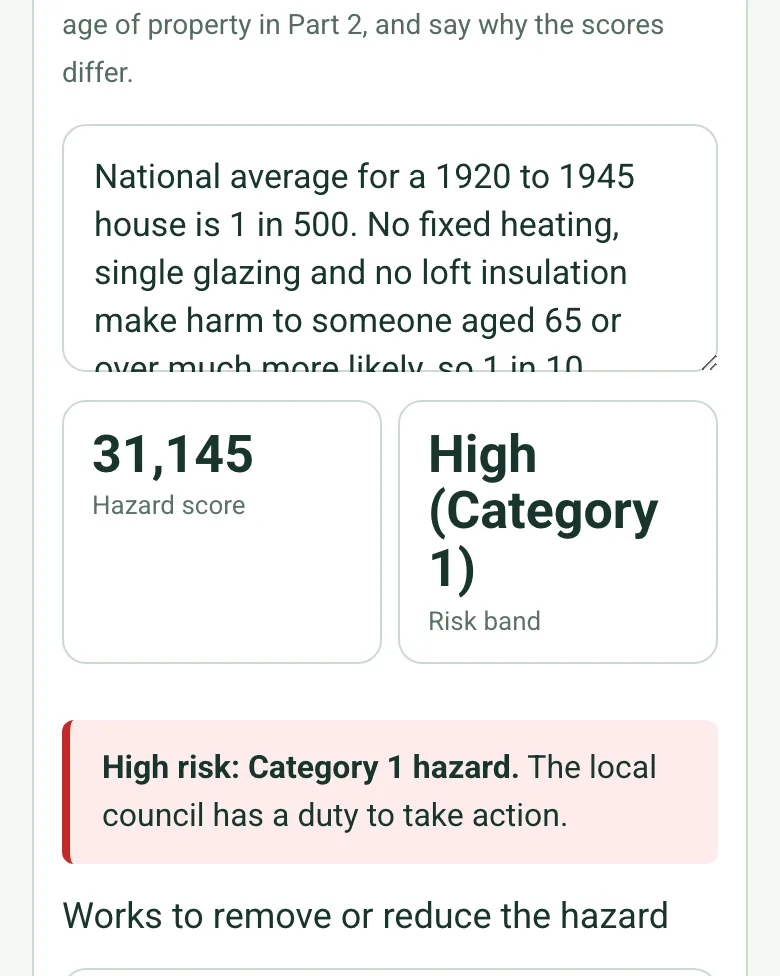
Choose the likelihood and enter the spread of harm across extreme, severe, serious and moderate. The form applies the weightings of 10,000, 1,000, 300 and 10, divides by the likelihood and shows the band: High (Category 1) at 1,000 or more, Medium from 100, Low under 100.
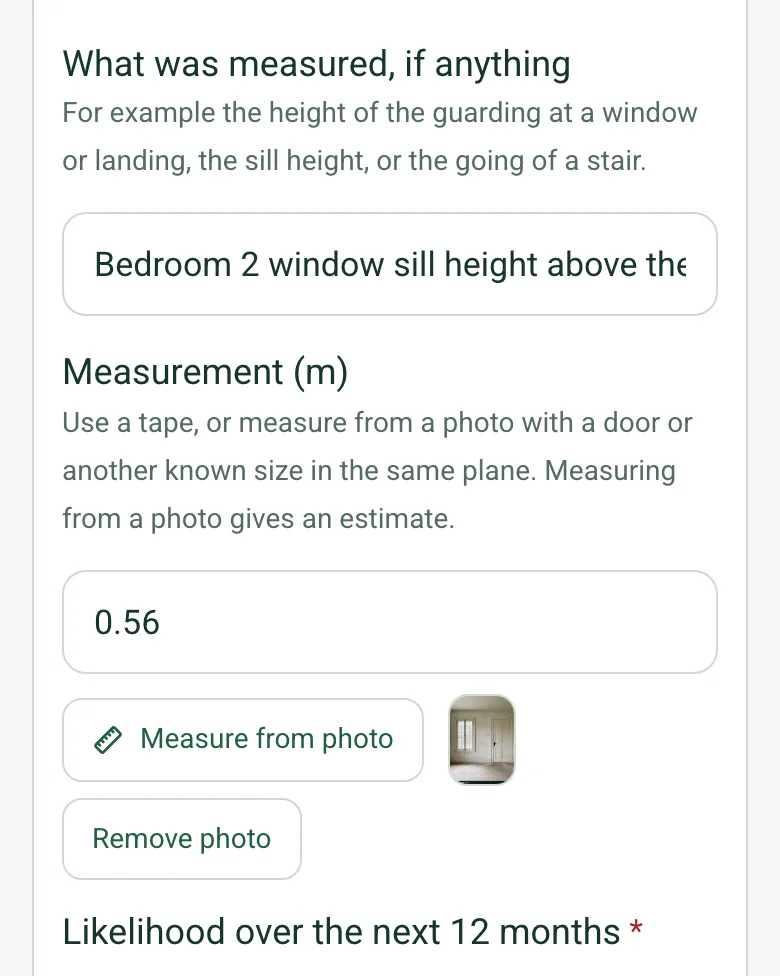
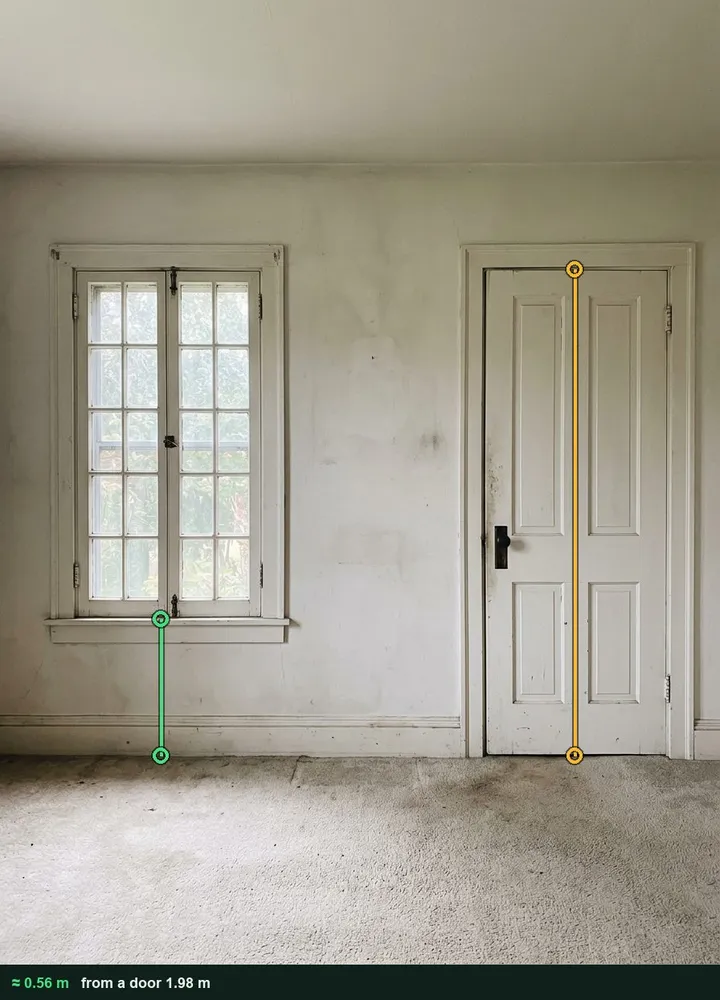
Say what you measured, then measure it from a photo with a door in the same wall, or type a tape reading. The value and the marked-up photo sit with the hazard and its reasons. It is an estimate: use a tape where the figure decides the score. It works on web forms in any phone browser today, and the app version is on its way.
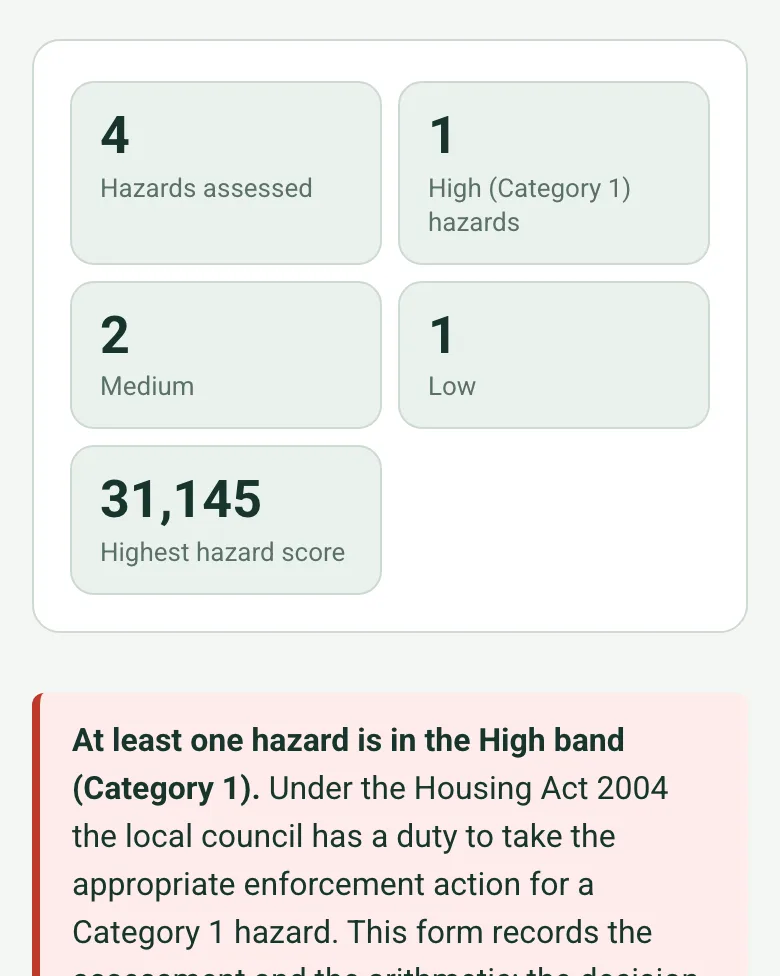
The form counts the hazards assessed and how many fall in each band, and shows the highest score, so the summary for the landlord or the file is done before you leave. A red note appears when anything is in the High band.
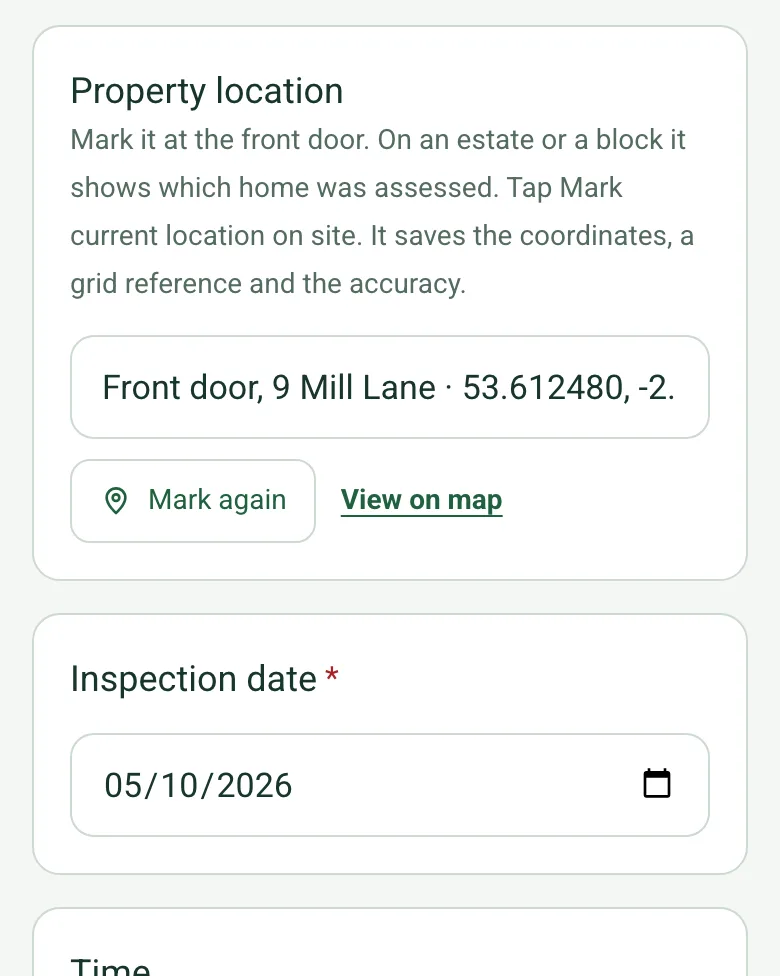
Mark current location at the front door. On an estate or a block of flats it shows exactly which home was assessed. Mark current location works on web forms in any phone browser today, and the app version is on its way.
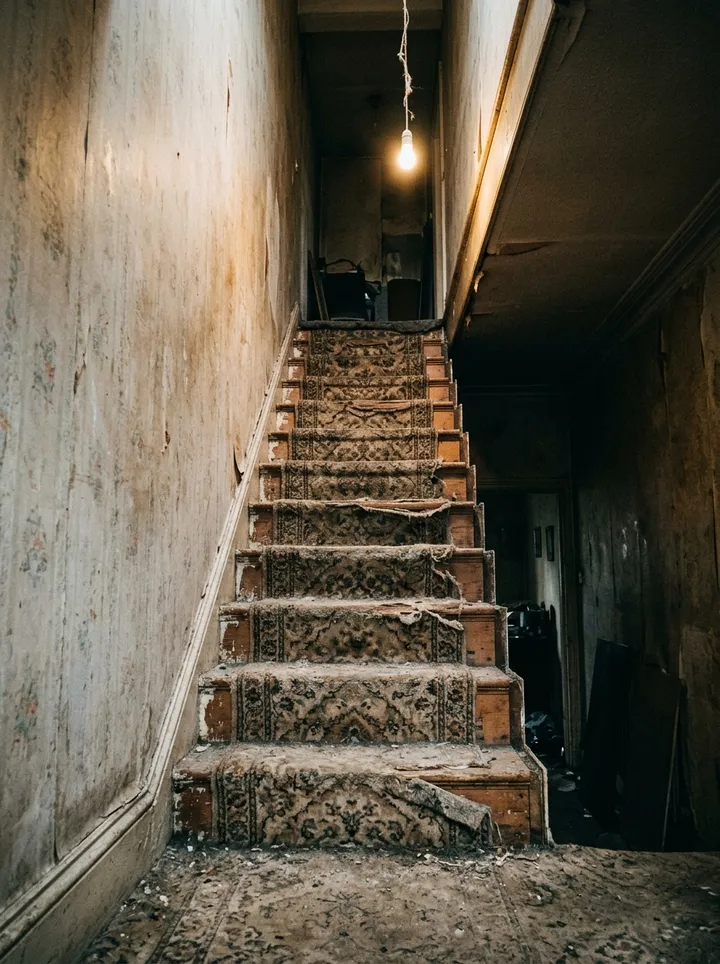
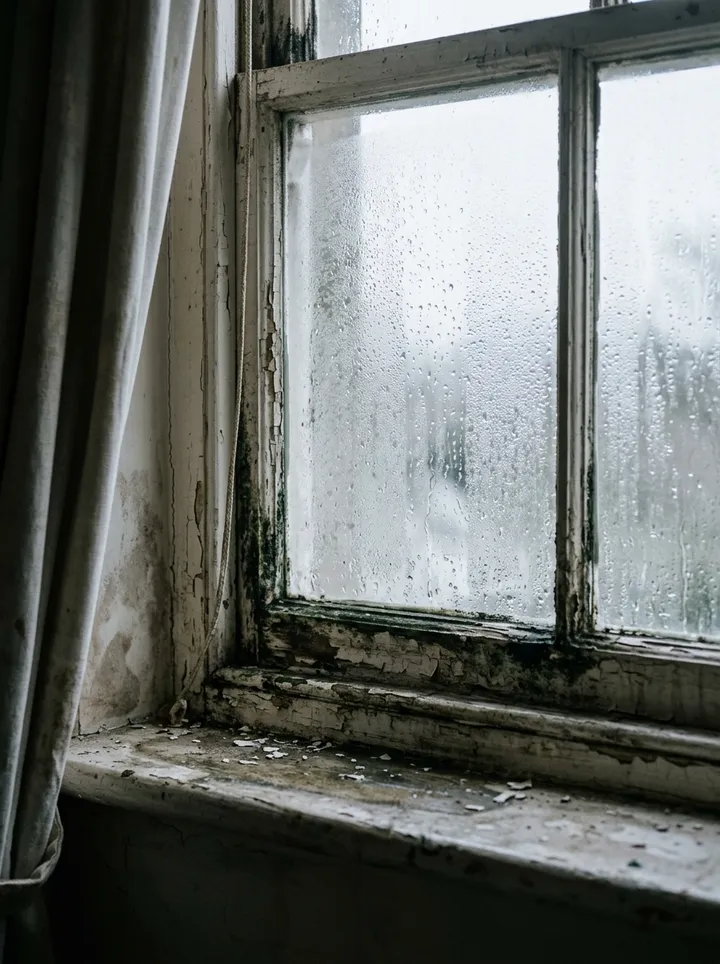
A fictional 1930s house with no fixed heating (excess cold, High), mould in the bathroom (Medium), a stair with no handrail (Medium) and a bedroom window sill measured at about 0.56 m with no restrictor (Low). Open it as a filled-in form, or switch to a blank copy and try it yourself.
This is the real form as your team would use it: questions appear as you answer, scores work themselves out and you can add photos and signatures. No sign-up needed. Or open a completed example to see every answer, photo and score filled in.
An HHSRS hazard assessment on the June 2026 scheme: each of the 21 hazards with its deficiencies, likelihood, spread of harm, the reasons for the scores and the hazard score worked out by the formula, banded high, medium or low. 3 sections and 39 questions. Follow-up questions and guidance appear only when an answer calls for them, so the person on site never sees the ones that do not apply.
✎
Make it your own: every question is editable
This is a starting point, not a fixed form. Once it is in your SiteSurvey account you can reword any question, add or remove questions, sections and answer options, and add your own logo, so it fits the way your team works and the jobs you do.
Details you only enter once
Add this form to a project in SiteSurvey and it fills in what the project already knows, so nobody on site retypes it and every form on the job uses the same names. Anything filled in can still be changed.
Project: the project name
Client: the project's customer
Site: the site, when the form is opened for a space or a product
Site address: the site address, from the space or the project
1
Property
ProjectShort answer
Fills in from the project name
ClientShort answer
Fills in from the project's customer
Site*Short answer
Fills in from the site, when the form is opened for a space or a product
Site addressShort answer
Fills in from the site address, from the space or the project
Property locationShort answer
Mark it at the front door. On an estate or a block it shows which home was assessed. Tap Mark current location on site. It saves the coordinates, a grid reference and the accuracy.
Inspection date*Date
Assessor*Short answer
Property typeChoose one
House
Bungalow
Flat
Maisonette
HMO
Other
Age of the propertyChoose one
Before 1920
1920 to 1945
1946 to 1979
1980 or later
Current householdShort answer
GuidanceHHSRS Operating Guidance, June 2026 (England). For each hazard, judge the likelihood of a harmful occurrence that could need medical attention over the next 12 months for the most vulnerable age group, and the spread of harm across extreme, severe, serious and moderate, which adds up to 100%. The score is: 10,000 x extreme % + 1,000 x severe % + 300 x serious % + 10 x moderate %, each divided by the likelihood. 1,000 or more is high risk (Category 1); 100 to 999 medium; under 100 low.
CheckScores are for a trained assessor working from Part 2 of the Operating Guidance and the national averages. This form does the arithmetic; the judgement is yours.
2
Hazards
Hazards assessed
Repeat for each hazard. Each one asks:
Hazard*Choose one
Falls on the level
Falling on stairs etc.
Falling between levels
Fire and explosions
Flames, hot surfaces, etc.
Collisions, entrapment and ergonomics
Structural collapse and falling elements
Electrical hazards
Excess cold
Radiation
Damp and mould growth
Lead
Indoor air pollutants
Excess heat
Asbestos and manufactured mineral fibres
Domestic hygiene
Water supply
Crowding and space
Entry by intruders
Noise
Lighting
Deficiencies found*Notes
PhotosPhotos
What was measured, if anythingShort answer
For example the height of the guarding at a window or landing, the sill height, or the going of a stair.
Measurement (m)Number
Use a tape, or measure from a photo with a door or another known size in the same plane. Measuring from a photo gives an estimate.
Shown when “What was measured, if anything” is answered
Likelihood over the next 12 months*Choose one
1 in 1 (Very likely)
1 in 2 (Very likely)
1 in 3 (Very likely)
1 in 5 (Very likely)
1 in 10 (Likely)
1 in 20 (Likely)
1 in 30 (Likely)
1 in 50 (Likely)
1 in 100 (Unlikely)
1 in 200 (Unlikely)
1 in 300 (Unlikely)
1 in 500 (Unlikely)
1 in 1,000 (Very unlikely)
1 in 2,000 (Very unlikely)
1 in 3,000 (Very unlikely)
Under 1 in 5,000 (Very unlikely)
CheckSpread of harm: choose a scale point (0, 0.1, 0.2, 0.5, 1, 2, 5, 10, 20, 30 or 50%) for three classes and give the remainder to the fourth, usually moderate.
Extreme harm (%)*Number
Severe harm (%)*Number
Serious harm (%)*Number
Moderate harm (%)*Number
WarningThe spread of harm must add up to 100%. Check the four classes.
Shown only when the answers above make it relevant
Reasons for the likelihood and spread of harm*Notes
Compare with the national average for this type and age of property in Part 2, and say why the scores differ.
Hazard scoreWorked out by the form
Shown when “Likelihood over the next 12 months” is answered and “Extreme harm (%)” is answered and “Severe harm (%)” is answered and “Serious harm (%)” is answered and “Moderate harm (%)” is answered
Risk bandWorked out by the form
Shown when “Likelihood over the next 12 months” is answered and “Extreme harm (%)” is answered and “Severe harm (%)” is answered and “Serious harm (%)” is answered and “Moderate harm (%)” is answered
WarningHigh risk: Category 1 hazard. The local council has a duty to take action.
Shown only when the answers above make it relevant
CheckMedium risk: Category 2 hazard. The council has discretion to act.
Shown only when the answers above make it relevant
GuidanceLow risk: Category 2 hazard.
Shown only when the answers above make it relevant
Works to remove or reduce the hazardNotes
Hazards assessedWorked out by the form
High (Category 1) hazardsWorked out by the form
MediumWorked out by the form
LowWorked out by the form
Highest hazard scoreWorked out by the form
WarningAt least one hazard is in the High band (Category 1). Under the Housing Act 2004 the local council has a duty to take the appropriate enforcement action for a Category 1 hazard. This form records the assessment and the arithmetic; the decision on what action to take is separate.
Shown only when the answers above make it relevant
Walk Cam: dwelling walk-roundWalk Cam video with voice-to-text
Optional. Film a guided walk-through on the SiteSurvey app; each clip keeps its spoken note.
3
Actions and sign-off
Are further actions needed?Yes or No
Further actions
Repeat for each action. Each one asks:
Shown when “Are further actions needed?” is Yes
What needs doing?*Notes
PriorityChoose one
Urgent
High
Medium
Low
Who will do it?Short answer
Due dateDate
StatusChoose one
Open
In progress
Completed
Inspector nameWorked out by the form
Position or companyShort answer
Inspector signatureSignature
CheckSigning records what was found on the day. It does not replace a specialist survey, test or repair by a competent person.
See it filled in
A completed HHSRS inspection report, made by SiteSurvey from a fictional site visit: every answer, the photos, the guidance that applied and the sign-off, ready to send as a PDF.
The revised system introduced in England in June 2026 reduces the hazards from 29 to 21 by combining some, adds baseline indicators to help identify deficiencies, adds the descriptions very unlikely to very likely to the scoring bars, changes the scale point values and cuts the bands from ten to three: high, medium and low. The formula and its weightings have not changed.
What makes a Category 1 hazard?
A score of 1,000 or more, which is now the High band. The local council has a duty to take action. Category 2 hazards are Medium (100 to 999) or Low (under 100), and the council has discretion to act. The form shows the band for each hazard and counts the Category 1 hazards.
What are the 21 hazards?
Falls on the level; falling on stairs; falling between levels; fire and explosions; flames and hot surfaces; collisions, entrapment and ergonomics; structural collapse and falling elements; electrical hazards; excess cold; radiation; damp and mould growth; lead; indoor air pollutants; excess heat; asbestos and manufactured mineral fibres; domestic hygiene; water supply; crowding and space; entry by intruders; noise; and lighting.
Whose risk is assessed?
The likelihood of harm is judged for the most vulnerable age group for that hazard, such as people aged 65 or over for excess cold, not the current occupants. Crowding and space is the exception: it is also assessed for the actual household.
Does the form make the judgement?
No. Full scoring is for a trained assessor working from Part 2 of the Operating Guidance and its national averages, with clear reasons for each score. The form records the deficiencies, photos and reasons, does the arithmetic, and warns if the spread of harm does not add up to 100%. Any of the four classes can take the remainder, so averages such as 90% extreme for radiation fit.
Who uses this?
Council environmental health and private sector housing officers, social landlords' stock condition and compliance teams, and surveyors assessing rented homes.