Form library · Housing and property

Housing disrepair inspection

An inspection of reported disrepair for landlords and their surveyors. Record the claim reference and dates, and the form shows the calendar days since the letter. Pin the home with GPS, then add each room with the defect, category, likely cause and whether it is the landlord's repair. For damp and mould, compare the meter reading with a dry wall and measure the patch from a photo against a door. The form counts the defects by priority and the landlord's repairs, and totals the damp and mould area measured. Try the form below, see every question or open a completed example.

Ready to use from the form library, and every question is yours to edit. Try it for a small trial fee, cancel any time.

Try it on your phone

Try it on this phone

Fill in the housing disrepair on your phone now

See how the housing disrepair looks on your phone

Scan the code with your phone camera. It opens the real form, no sign-up needed.

Open the live example and fill it in, just as your team would on site. No sign-up needed.

See it on this phone

Every question is editable. Add this form to your account, then change the wording, add or remove questions and options, and make it fit your own jobs.

Or start your trial with this form ready →

One email, and we won't add you to a mailing list.

What are a landlord's repairing obligations?

For most leases of a home granted for less than 7 years, section 11 of the Landlord and Tenant Act 1985 requires the landlord to keep in repair the structure and exterior, including drains, gutters and external pipes, and to keep in repair and proper working order the installations for the supply of water, gas and electricity, for sanitation, and for space heating and heating water. A disrepair inspection records each defect, whether it is the landlord's to repair, its likely cause and the work needed.

Last updated . Facts checked by the SiteSurvey team on 17 October 2026 against section 11 of the Landlord and Tenant Act 1985 (repairing obligations), Ministry of Justice: Pre-Action Protocol for Housing Conditions Claims (England), GOV.UK: guide for landlords, Homes (Fitness for Human Habitation) Act 2018 and GOV.UK: Awaab's Law guidance for social landlords (timeframes for repairs).

Built for inspecting a disrepair claim

Inspect the home with the form on a phone. Record each defect by room with its cause and whether it is the landlord's repair. For damp and mould, compare the meter reading with a dry wall and measure the patch from a photo against a door. The form counts the defects by priority and totals the area measured. It records the inspection; it is not an expert's report to the court.

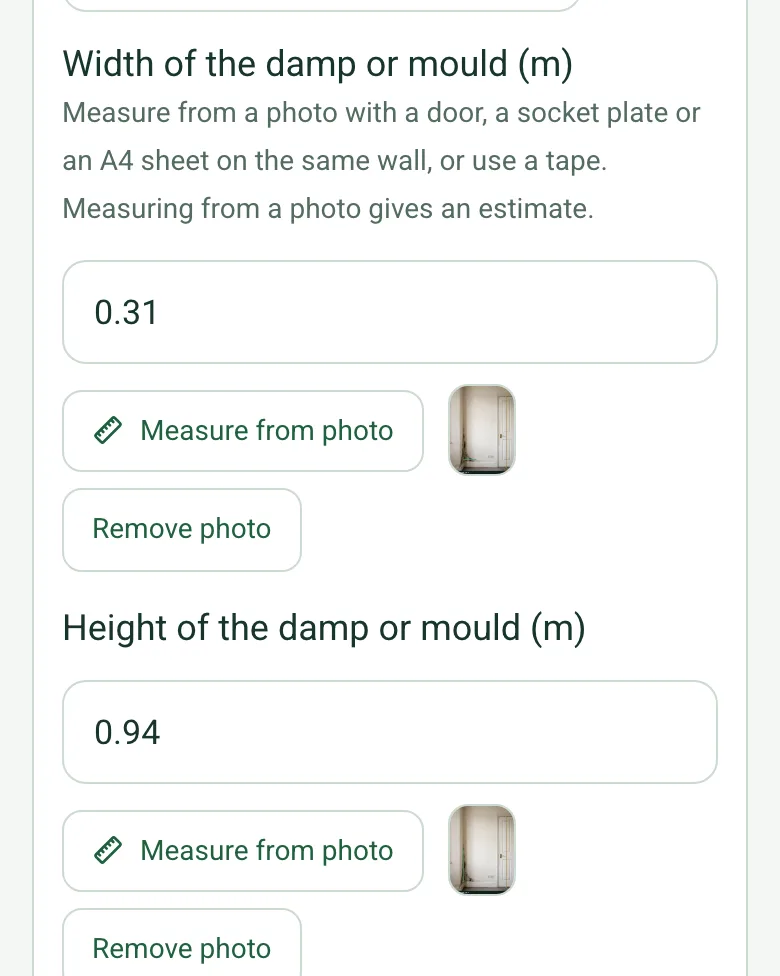
Width of the damp or mould 0.31 m and height 0.94 m, each with its measuring photo as a thumbnail

Mould measured from a photo

Photograph the wall square on with the door in view, measure the width and height of the patch, and the form works out the area. The marked-up photo stays with the defect as evidence of its size on the day. It works on web forms in any phone browser today, and the app version is on its way.

How measuring from a photo works →
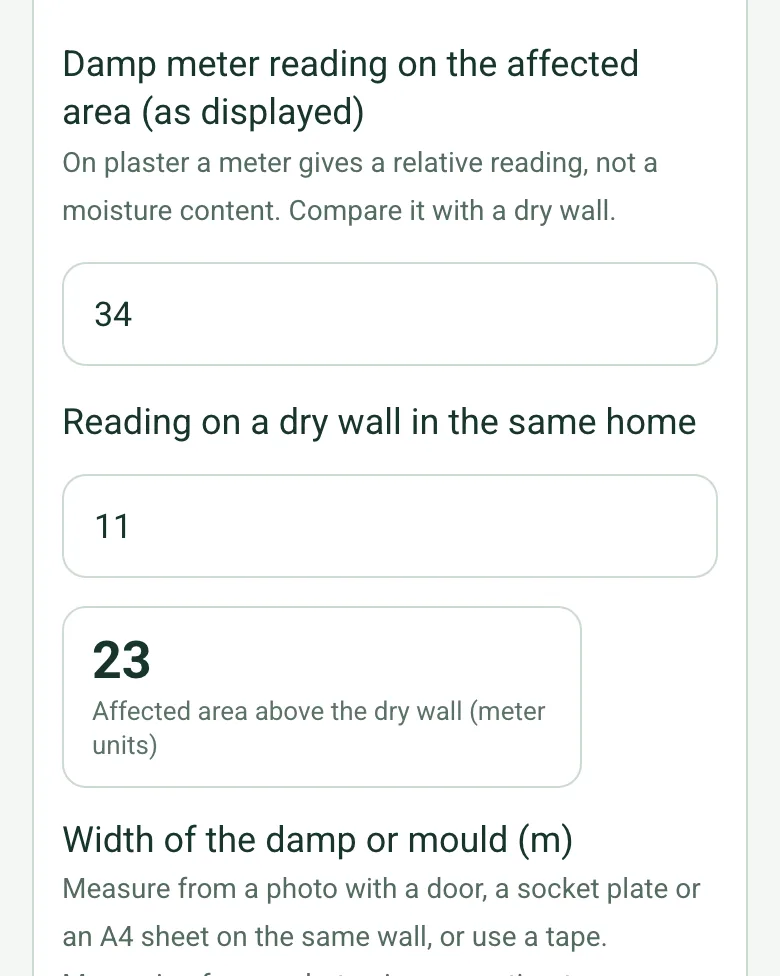
Damp meter reading on the affected area 34 and on a dry wall 11, with the difference worked out as 23 meter units

Reading against a dry wall

On plaster a meter gives a relative reading, not a moisture content. Enter the reading on the affected area and on a dry wall in the same home, and the form shows how far above the dry wall it is.

How calculated fields work →
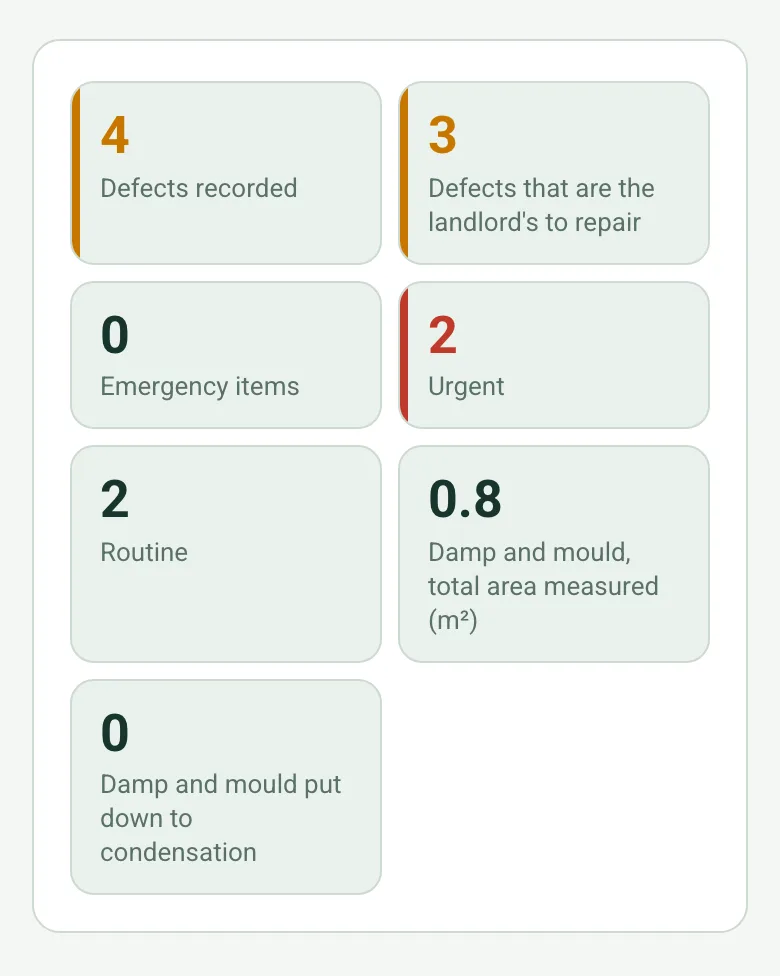
Counts worked out as 4 defects recorded, 3 the landlord's to repair, 0 emergency, 2 urgent, 2 routine and 0.8 m² of damp and mould measured

Defects counted by priority

The form counts the defects, the landlord's repairs and the emergency, urgent and routine items, and totals the damp and mould measured, ready for the schedule of works and the reply to the claim.

How calculated fields work →
Property location filled in as Front door, 14 Ash Grove with the coordinates, Mark again and View on map

Pin the home

Mark current location at the front door, so the inspection record shows the home that was visited. Mark current location works on web forms in any phone browser today, and the app version is on its way.

How GPS location works →

A completed housing disrepair inspection

A fictional claim: mould on the bathroom ceiling with a failed fan, mould up a bedroom corner measured at about 0.31 by 0.94 m below a leaking gutter, a failed window seal and a broken cupboard hinge that is the tenant's. Open it as a filled-in form, or switch to a blank copy and try it yourself.

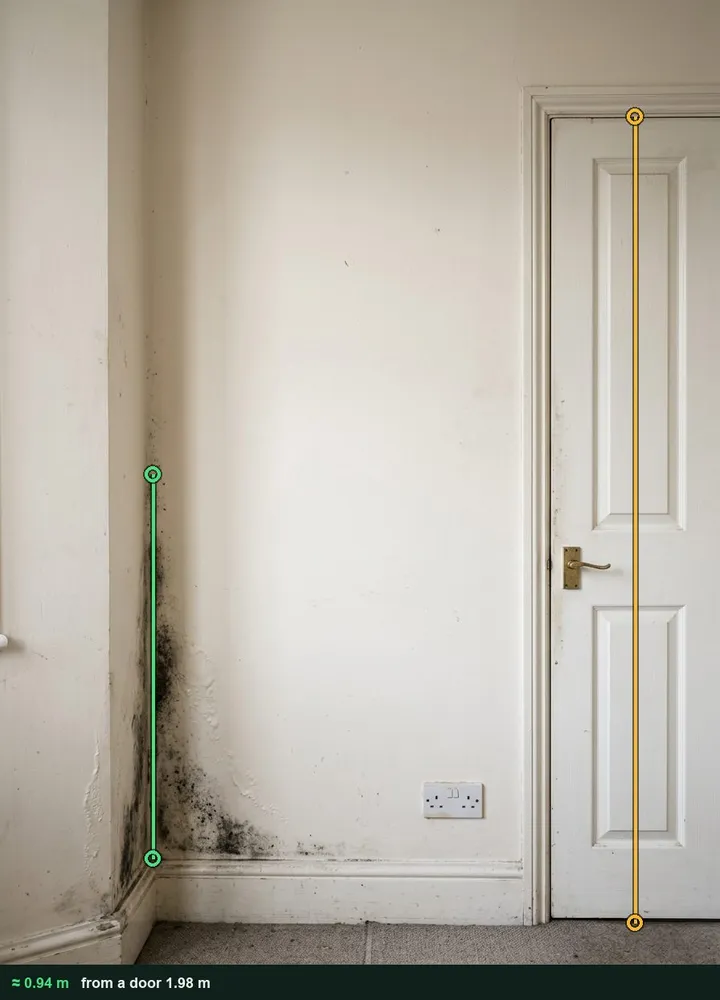
Black mould spreading up a bedroom wall corner beside a white door, marked up to give a height of about 0.94 m against the 1.98 m door
Bedroom 1 corner · about 0.31 by 0.94 m · Urgent
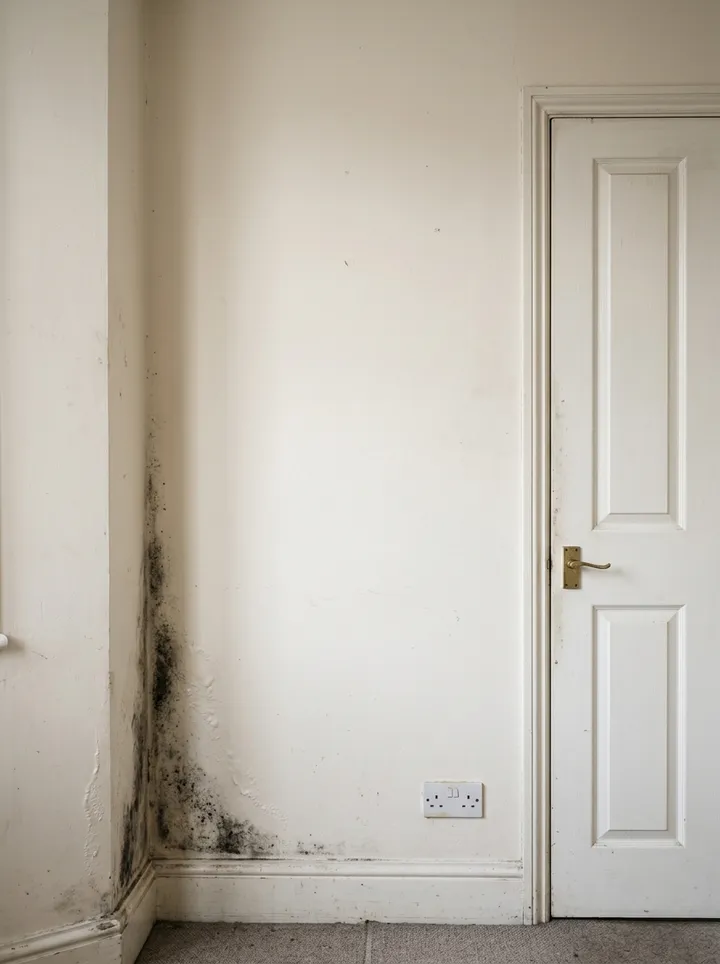
A magnolia bedroom wall with black mould rising from the skirting in the corner, a double socket and a white door
Bedroom 1 · reading 34 against 11 on a dry wall
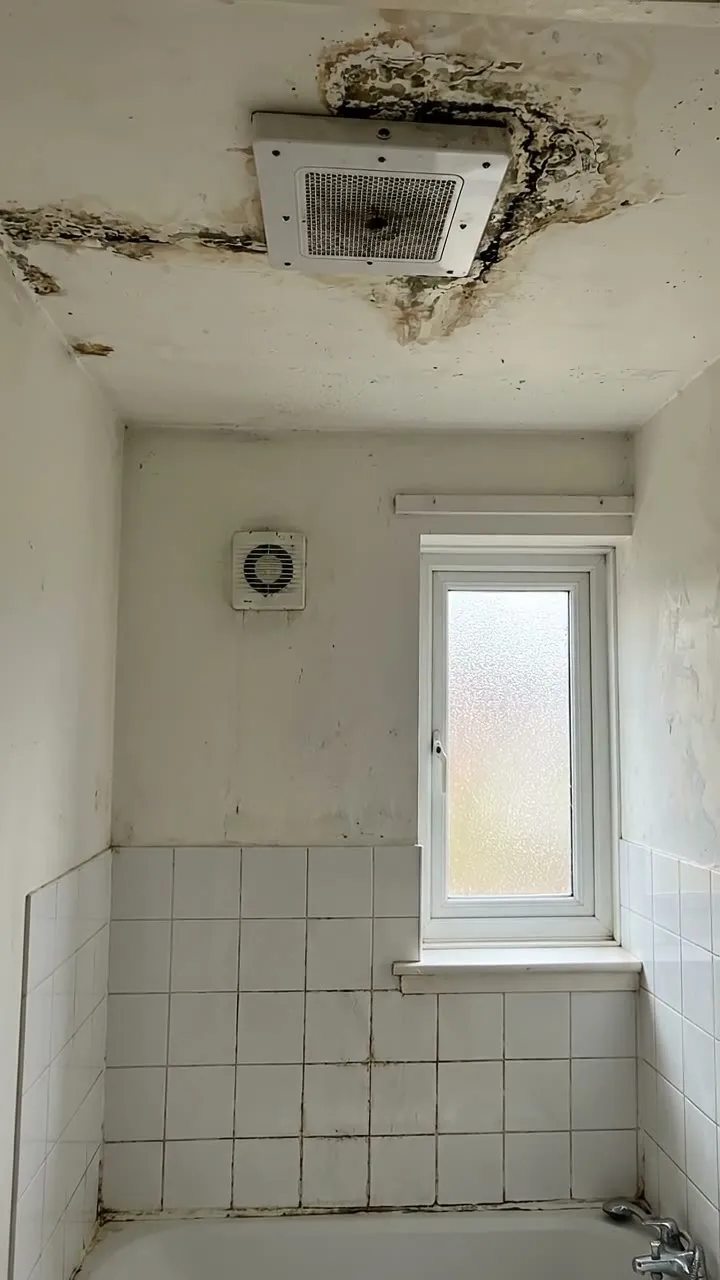
Black mould on a bathroom ceiling above the bath
Bathroom ceiling · fan not working
Walk Cam recording damp and mould in a room

Try the housing disrepair form live

Answer a few questions and watch it adapt. Your answers are not saved, and any photos you add are deleted within the hour.

Live form: Housing Disrepair InspectionOpen full screen ↗
Fill it in right here

This is the real form as your team would use it: questions appear as you answer, scores work themselves out and you can add photos and signatures. No sign-up needed. Or open a completed example to see every answer, photo and score filled in.

Want to see one filled in? See a completed housing disrepair report (PDF), made by SiteSurvey from a fictional site visit.

Every question in the housing disrepair template

A housing disrepair inspection for landlords responding to a claim: claim dates, access, each room as a space with defects, repairing obligation, likely cause, damp readings and photos, a schedule of works and actions. 3 sections and 55 questions. Follow-up questions and guidance appear only when an answer calls for them, so the person on site never sees the ones that do not apply.

Make it your own: every question is editable

This is a starting point, not a fixed form. Once it is in your SiteSurvey account you can reword any question, add or remove questions, sections and answer options, and add your own logo, so it fits the way your team works and the jobs you do.

Details you only enter once

Add this form to a project in SiteSurvey and it fills in what the project already knows, so nobody on site retypes it and every form on the job uses the same names. Anything filled in can still be changed.

  • Project: the project name
  • Client: the project's customer
  • Site: the site, when the form is opened for a space or a product
  • Site address: the site address, from the space or the project

Claim and access

  • ProjectShort answer
    Fills in from the project name
  • ClientShort answer
    Fills in from the project's customer
  • Site*Short answer
    Fills in from the site, when the form is opened for a space or a product
  • Site addressShort answer
    Fills in from the site address, from the space or the project
  • Property locationShort answer

    Mark it at the front door. On an estate it shows which home was inspected. Tap Mark current location on site. It saves the coordinates, a grid reference and the accuracy.

  • Inspection date*Date
  • Surveyor*Short answer
  • Weather on siteAnswer
  • Claim or complaint referenceShort answer
  • Date of the letter of claim or complaintDate
  • Days since the letter (calendar days)Worked out by the form
    Shown only when the answers above make it relevant
  • WarningThe letter date is after the inspection date. Check both dates.
    Shown only when the answers above make it relevant
  • Date of the landlord's response to the letterDate
  • CheckPre-Action Protocol for Housing Conditions Claims (England): the landlord should normally reply within 20 working days of receiving the letter of claim (receipt is taken as two days after the date of the letter), and the property should be inspected within 20 working days of the landlord's response. The days shown on this form are calendar days, not working days.
  • Was the tenant present?Yes or No
  • Joint inspection with the tenant's expert?Yes or No
  • Access notes (refused, no answer, partial)Short answer

Rooms and defects

  • GuidanceSection 11 of the Landlord and Tenant Act 1985 applies to most leases of a home granted for less than 7 years. The landlord must keep in repair the structure and exterior (including drains, gutters and external pipes), and keep in repair and proper working order the installations for the supply of water, gas and electricity, for sanitation, and for space heating and heating water. It does not cover work the tenant is liable for by using the home in a tenant-like manner.
  • GuidanceLandlord and Tenant Act 1985, section 9A (added by the Homes (Fitness for Human Habitation) Act 2018) implies a covenant in most tenancies in England that the home is fit for human habitation at the start and throughout the tenancy, judged against matters including the HHSRS hazards.
  • GuidanceAwaab's Law. The Hazards in Social Housing (Prescribed Requirements) (England) Regulations 2025 came into force on 27 October 2025 for social landlords in England. They set time limits to investigate and fix damp and mould and emergency hazards, with further hazards added in later phases. They do not apply to private landlords.
  • Rooms
    Repeat for each room. Each one asks:
    • Room*Short answer
    • Defect found*Notes
    • CategoryChoose one
      • Structure or exterior
      • Water, drainage or sanitation
      • Gas or electrical installation
      • Heating or hot water
      • Damp and mould
      • Windows and doors
      • Internal decoration
      • Other
    • Likely causeChoose one
      • Disrepair
      • Condensation
      • Tenant damage
      • Not known yet
    • Landlord's repair?Choose one
      • Yes
      • No
      • Not sure
    • Damp meter reading on the affected area (as displayed)Number

      On plaster a meter gives a relative reading, not a moisture content. Compare it with a dry wall.

      Shown only when the answers above make it relevant
    • Reading on a dry wall in the same homeNumber
      Shown only when the answers above make it relevant
    • Affected area above the dry wall (meter units)Worked out by the form
      Shown only when the answers above make it relevant
    • Width of the damp or mould (m)Number

      Measure from a photo with a door, a socket plate or an A4 sheet on the same wall, or use a tape. Measuring from a photo gives an estimate.

      Shown only when the answers above make it relevant
    • Height of the damp or mould (m)Number
      Shown only when the answers above make it relevant
    • Area affected (m²)Worked out by the form
      Shown only when the answers above make it relevant
    • CheckSocial landlords: the government's Awaab's Law guidance says not to assume damp and mould is caused by the tenant's lifestyle. Record the evidence for the cause you have chosen.
      Shown only when the answers above make it relevant
    • PhotosPhotos
    • Work neededShort answer
    • PriorityChoose one
      • Emergency
      • Urgent
      • Routine
    • More defects in this room
      Repeat for each defect. Each one asks:
      • Defect found*Notes
      • CategoryChoose one
        • Structure or exterior
        • Water, drainage or sanitation
        • Gas or electrical installation
        • Heating or hot water
        • Damp and mould
        • Windows and doors
        • Internal decoration
        • Other
      • Likely causeChoose one
        • Disrepair
        • Condensation
        • Tenant damage
        • Not known yet
      • Landlord's repair?Choose one
        • Yes
        • No
        • Not sure
      • Damp meter reading (as displayed)Number
        Shown only when the answers above make it relevant
      • PhotosPhotos
      • Work neededShort answer
      • PriorityChoose one
        • Emergency
        • Urgent
        • Routine
  • Rooms with a defectWorked out by the form
  • Defects that are the landlord's to repairWorked out by the form
  • Emergency itemsWorked out by the form
  • UrgentWorked out by the form
  • RoutineWorked out by the form
  • Damp and mould, total area measured (m²)Worked out by the form
    Shown only when the answers above make it relevant
  • Damp and mould put down to condensationWorked out by the form
    Shown only when the answers above make it relevant
  • WarningEmergency items found. Raise the works now and record when the tenant was told.
    Shown only when the answers above make it relevant
  • When and how the tenant was told about the emergency worksShort answer
    Shown only when the answers above make it relevant
  • Walk Cam: disrepair walk-roundWalk Cam video with voice-to-text

    Optional. Film a guided walk-through on the SiteSurvey app; each clip keeps its spoken note.

Actions and sign-off

  • Are further actions needed?Yes or No
  • Further actions
    Repeat for each action. Each one asks:
    Shown when “Are further actions needed?” is Yes
    • What needs doing?*Notes
    • PriorityChoose one
      • Urgent
      • High
      • Medium
      • Low
    • Who will do it?Short answer
    • Due dateDate
    • StatusChoose one
      • Open
      • In progress
      • Completed
  • Inspector nameWorked out by the form
  • Position or companyShort answer
  • Inspector signatureSignature
  • CheckSigning records what was found on the day. It does not replace a specialist survey, test or repair by a competent person.

See it filled in

A completed housing disrepair report, made by SiteSurvey from a fictional site visit: every answer, the photos, the guidance that applied and the sign-off, ready to send as a PDF.

See completed form (PDF) ↗

Housing disrepair FAQs

What timescales apply to a disrepair claim?

Under the Pre-Action Protocol for Housing Conditions Claims (England), the landlord should normally reply within 20 working days of receiving the letter of claim (receipt is taken as two days after the date of the letter), and the property should be inspected within 20 working days of the landlord's response. The form records both dates; its day count is in calendar days.

Why record the likely cause?

Section 11 does not cover work the tenant is liable for by using the home in a tenant-like manner, so the cause matters. Record the cause you find with photos and readings. For social landlords, the government's Awaab's Law guidance says not to assume damp and mould is caused by the tenant's lifestyle.

What about damp and mould?

Record a damp meter reading and photos for each damp defect. Social landlords must also meet Awaab's Law timescales: under the government's guidance, a potential significant hazard must be investigated within 10 working days, and an emergency hazard investigated and made safe within 24 hours.

Does each room get recorded?

Yes. Each room becomes a space in the project with its defects and photos, which feeds the schedule of works.

What about fitness for habitation?

The Homes (Fitness for Human Habitation) Act 2018 requires landlords to make sure rented homes, including common parts, are fit for human habitation at the start of the tenancy and throughout. The government's guide says the courts decide fitness and an HHSRS assessment is not required, but a landlord may choose one to find out whether a serious hazard is present.

Who uses this?

Housing associations, councils, private landlords, disrepair surveyors and claims teams.

Related

Use this housing disrepair form with your team

Add it from the form library in one click, change any question, and every completed form becomes a branded PDF report.

Start your trial →