A pre-installation survey for home and workplace EV chargepoints. Add each proposed charger with its position pinned by GPS, its power, cable run and route, and the form counts the chargers by power, totals the cable and trenching and works out the current if they all charge at once, against the main fuse. It also records grant eligibility, the supply, earthing and consumer unit, other large loads and the signal for a smart charger, and a PME supply prompts you to record how an outdoor chargepoint will be protected. Try the form below, see every question or open a completed example.
✎Every question is editable. Add this form to your account, then change the wording, add or remove questions and options, and make it fit your own jobs.
An EV charger site survey checks the parking and where the charger will go, the cable route and its length, the supply phases, main fuse, earthing arrangement and consumer unit, other large loads and whether load management is needed, and the Wi-Fi or mobile signal at the charger, because home and workplace chargepoints sold in Great Britain since 30 June 2022 must be smart. It also checks grant eligibility and permissions.
Walk the car park or driveway with the form on a phone. Add each proposed charger with its position pinned by GPS, its power and its cable run, and the form counts the chargers by power, adds up the cable and trenching and works out the current if they all charge at once, against the main fuse. It records the survey for the quote and design; it is not the design or a load calculation.
Pin each charger and the supply
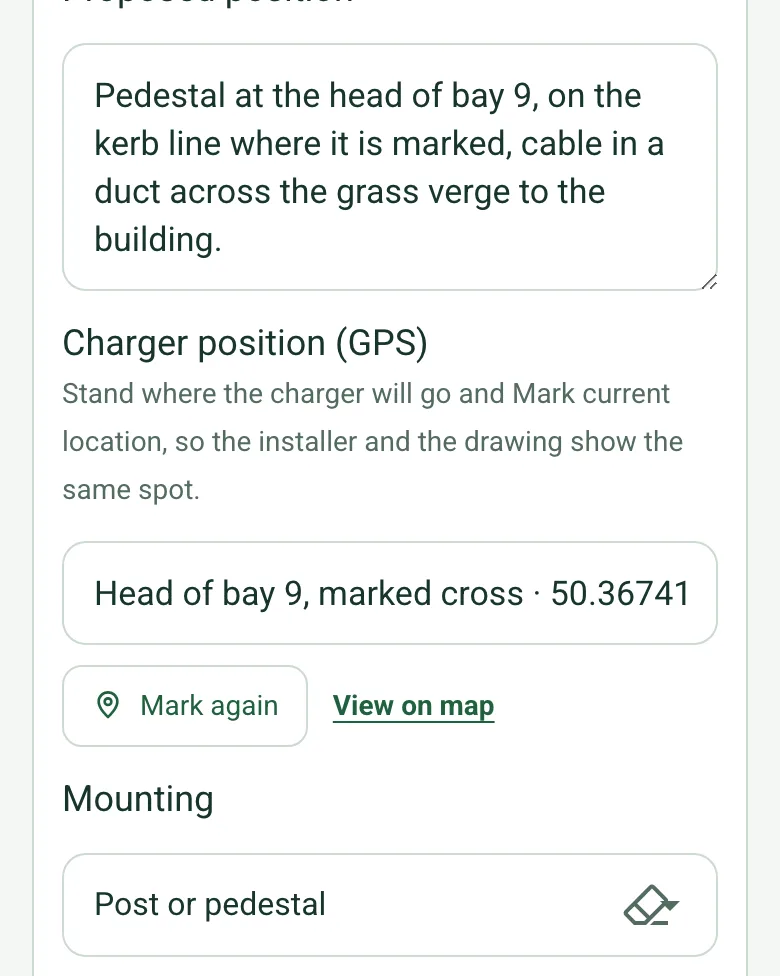
Stand where each charger will go and tap Mark current location, then do the same at the meter or board that will feed them. The installer and the drawing work from the same spots. Mark current location works on web forms in any phone browser today, and the app version is on its way.
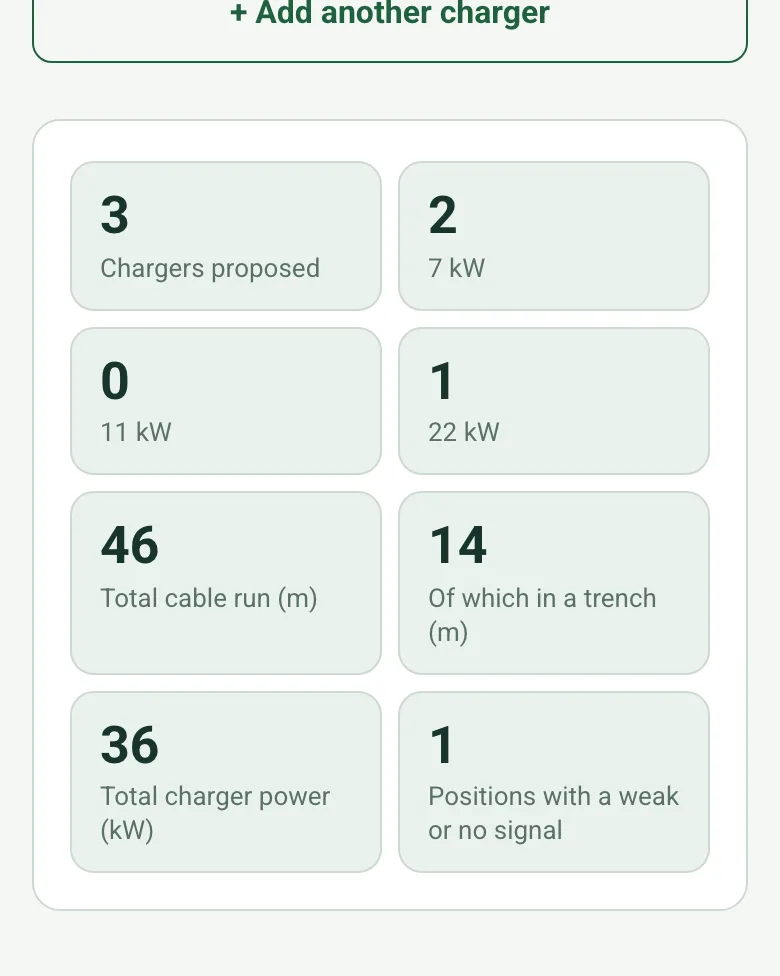
Enter each charger's power and cable run, and tick the route. The form counts the chargers by power, totals the cable and the trenching for the quote, and counts the positions with a weak signal for a smart charger.
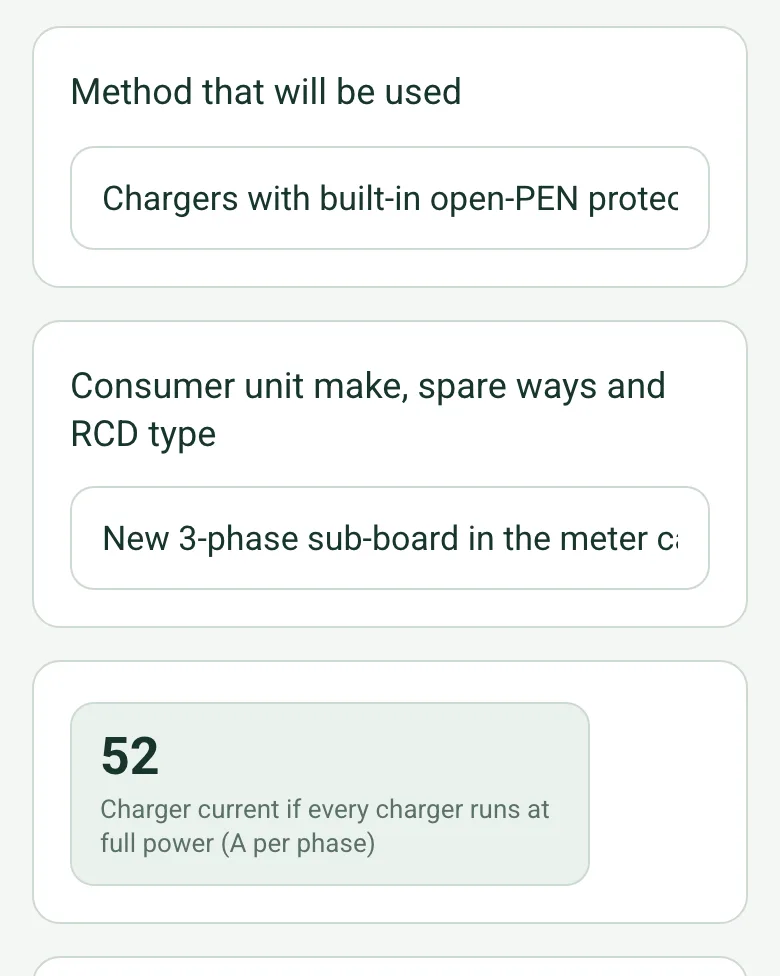
From the total charger power and the supply, the form works out the current per phase if every charger ran at full power, and shows a red note when that alone would be more than the main fuse. Your design still needs the maximum demand and any load management.
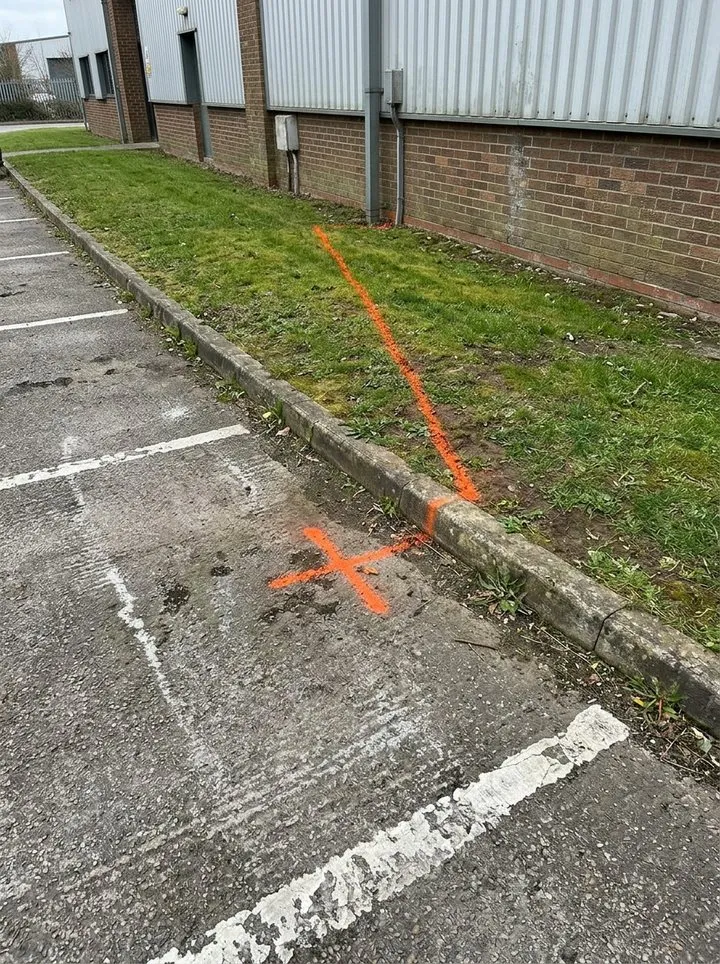
Three chargers at a fictional business centre: two 7 kW wall units by the meter cabinet and a 22 kW pedestal across a grass verge, on a three-phase PME supply shared with a heat pump. Open it as a filled-in form, or switch to a blank copy and try it yourself.
This is the real form as your team would use it: questions appear as you answer, scores work themselves out and you can add photos and signatures. No sign-up needed. Or open a completed example to see every answer, photo and score filled in.
An EV charger site survey: customer and grant eligibility, parking and charger position, supply, earthing, consumer unit and existing loads, cable route, Wi-Fi signal for a smart charger and photos. 5 sections and 54 questions. Follow-up questions and guidance appear only when an answer calls for them, so the person on site never sees the ones that do not apply.
✎
Make it your own: every question is editable
This is a starting point, not a fixed form. Once it is in your SiteSurvey account you can reword any question, add or remove questions, sections and answer options, and add your own logo, so it fits the way your team works and the jobs you do.
Details you only enter once
Add this form to a project in SiteSurvey and it fills in what the project already knows, so nobody on site retypes it and every form on the job uses the same names. Anything filled in can still be changed.
Project: the project name
Client: the project's customer
Site: the site, when the form is opened for a space or a product
Site address: the site address, from the space or the project
1
Customer and site
ProjectShort answer
Fills in from the project name
ClientShort answer
Fills in from the project's customer
Site*Short answer
Fills in from the site, when the form is opened for a space or a product
Site addressShort answer
Fills in from the site address, from the space or the project
Survey date*Date
Surveyor*Short answer
The customer*Choose one
Owns and lives in a house
Owns and lives in a flat
Rents the property
Business or workplace
GuidanceOZEV grant. The electric vehicle chargepoint grant for renters and flat owners gives 75% of the cost, up to £500, for people who own and live in a flat, or rent and live in any home, with private off-street parking and an eligible vehicle. Funding is confirmed until 31 March 2027. Permissions from the landlord, freeholder or managing agent must be in place before applying, an OZEV-authorised installer must be used, and the chargepoint must not be installed until OZEV confirms the grant.
Shown only when the answers above make it relevant
GuidanceWorkplace Charging Scheme. Up to £500 per socket towards chargepoints at workplaces, for up to 40 sockets across all sites, with funding confirmed until 31 March 2027.
Shown when “The customer” is “Business or workplace”
Has the landlord, freeholder or managing agent given permission?Yes or No
Shown only when the answers above make it relevant
Vehicle make and modelShort answer
2
Parking and charger positions
Parking*Choose one
Driveway
Garage
Allocated car park space
Workplace car park
On-street only
CheckOn-street only. A cross-pavement solution, such as a cable channel, needs the local highways authority's consent, and not every council allows them. A separate OZEV grant of up to £500 covers households with on-street parking that install one.
Shown when “Parking” is “On-street only”
Proposed chargers
Repeat for each charger. Each one asks:
Charger reference*Short answer
Proposed position*Notes
Charger position (GPS)Short answer
Stand where the charger will go and Mark current location, so the installer and the drawing show the same spot.
MountingChoose one
Brick or block wall
Render
Cladding
Timber
Post or pedestal
Charger power*Choose one
7 kW
11 kW
22 kW
CableChoose one
Tethered
Untethered (socket)
Cable run from the supply point (m)*Number
Along the planned route, from the board or supply point that will feed this charger.
Cable route passes throughTick all that apply
Cavity wall
Loft
Garage
Under a floor
Underground (groundworks)
Clipped outside
Other (describe)
Of which in a trench or groundworks (m)Number
Shown when “Cable route passes through” includes “Underground (groundworks)”
Wi-Fi or mobile signal at this positionChoose one
Strong
Weak
None
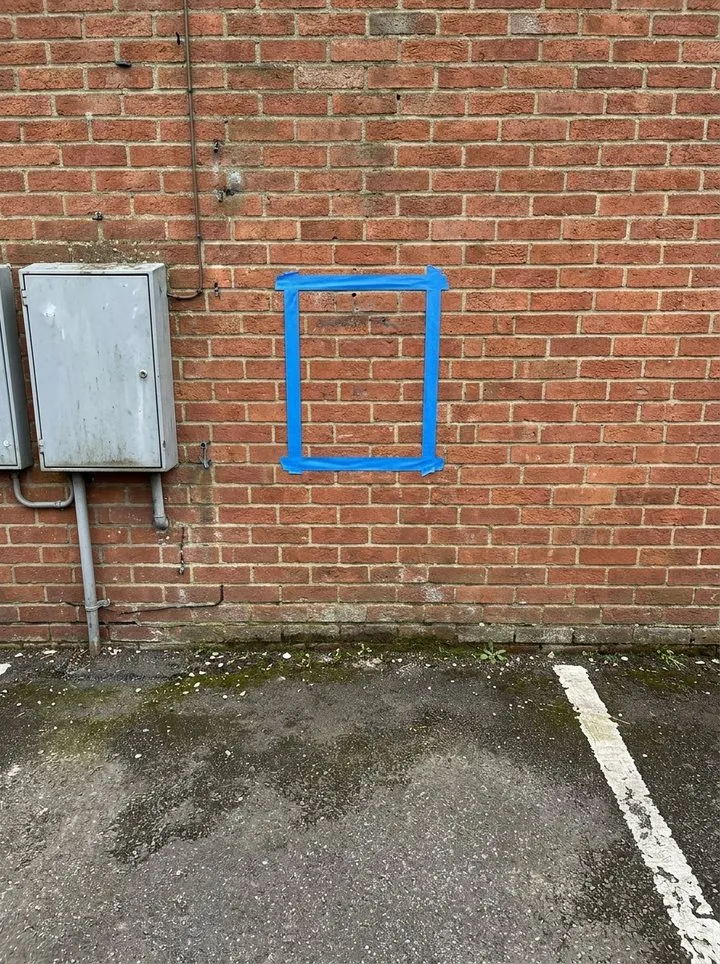
Photos of the position and cable routePhotos
Chargers proposedWorked out by the form
7 kWWorked out by the form
11 kWWorked out by the form
22 kWWorked out by the form
Total cable run (m)Worked out by the form
Of which in a trench (m)Worked out by the form
Shown only when the answers above make it relevant
Total charger power (kW)Worked out by the form
Positions with a weak or no signalWorked out by the form
Walk Cam: cable routeWalk Cam video with voice-to-text
Optional. Film a guided walk-through on the SiteSurvey app.
3
Electrical supply
Supply point position (GPS)Short answer
Where the chargers will be fed from: the meter and cut-out, or the board. Mark current location standing at it.
Supply*Choose one
Single-phase
Three-phase
Main fuse ratingChoose one
60 A
63 A
80 A
100 A
Not marked
Earthing arrangement*Choose one
TN-C-S (PME)
TN-S
TT
Not determined
CheckPME supply. BS 7671 regulation 722.411.4.1 does not allow a PME earth to be used for a chargepoint outdoors, or one that could charge a vehicle outdoors, unless one of the methods it lists is used, such as a chargepoint with built-in open-PEN protection or a separate earth electrode. Record which one you will use.
Shown when “Earthing arrangement” is “TN-C-S (PME)”
Method that will be usedShort answer
Shown when “Earthing arrangement” is “TN-C-S (PME)”
Consumer unit make, spare ways and RCD typeShort answer
Charger current if every charger runs at full power (A per phase)Worked out by the form
Total charger power at 230 V single-phase or 400 V three-phase, before diversity or load management. Your design still needs the maximum demand.
Shown only when the answers above make it relevant
Main fuse (A)Worked out by the form
WarningThe chargers alone would draw more than the main fuse rating, before any other load. Plan load management or ask the DNO about a supply upgrade.
Shown only when the answers above make it relevant
Other large loadsTick all that apply
Electric shower
Electric heating
Heat pump
Hot tub
Second EV charger
Solar PV or battery
None
Is load management or a supply upgrade needed?Yes or No
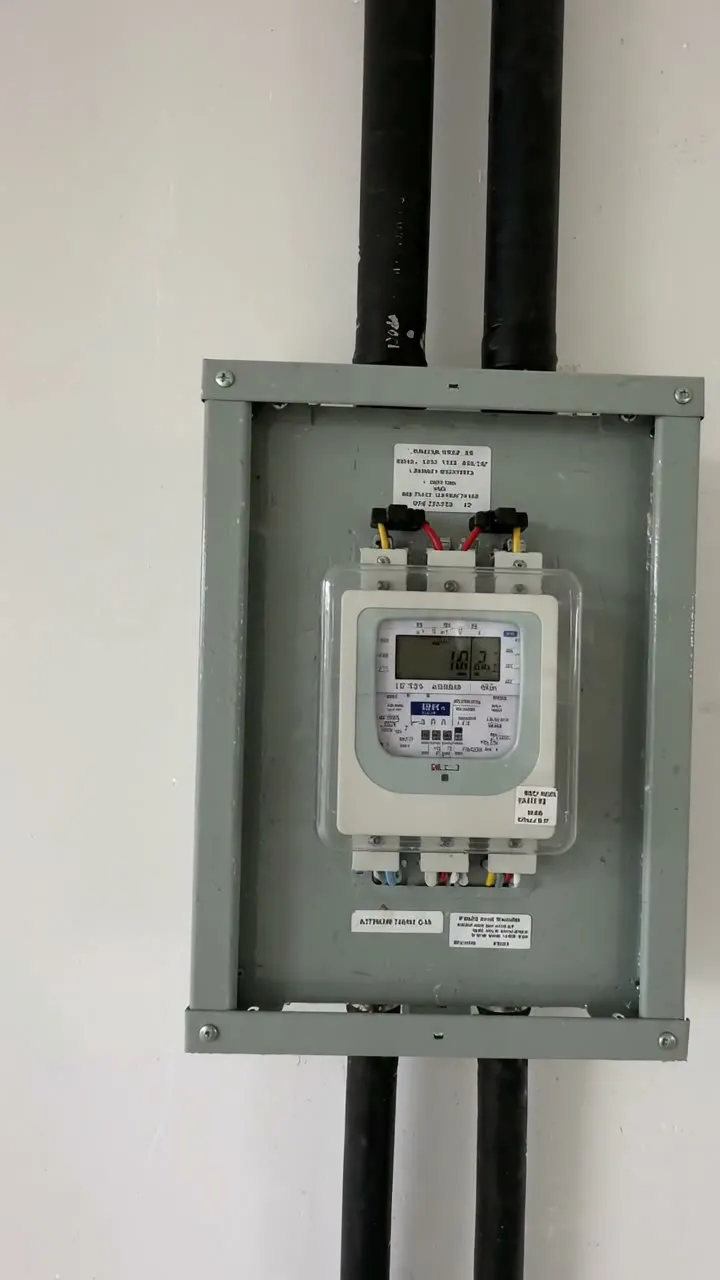
Photos of the meter, main fuse and consumer unitPhotos
4
Charger choice
CheckHome and workplace chargepoints sold in Great Britain since 30 June 2022 must be smart: able to send and receive information and respond to signals to change when or how fast the car charges. They must keep charging if the network connection drops, but the smart features need one, so plan a connection.
Shown only when the answers above make it relevant
Proposed charger make and modelShort answer
Installation notes and anything that affects the priceNotes
5
Actions and sign-off
Name of the person signing for the customerShort answer
Customer signatureSignature
Are further actions needed?Yes or No
Further actions
Repeat for each action. Each one asks:
Shown when “Are further actions needed?” is Yes
What needs doing?*Notes
PriorityChoose one
Urgent
High
Medium
Low
Who will do it?Short answer
Due dateDate
StatusChoose one
Open
In progress
Completed
Inspector nameWorked out by the form
Position or company of the surveyorShort answer
Inspector signatureSignature
CheckSigning records what was found on the day. It is not a guarantee of condition and does not replace any examination, test, design check or repair needed from a competent person.
See it filled in
A completed EV charger survey report, made by SiteSurvey from a fictional site visit: every answer, the photos, the guidance that applied and the sign-off, ready to send as a PDF.
GOV.UK lists the electric vehicle chargepoint grant for renters and flat owners: 75% of the cost, up to £500, for people who own and live in a flat or rent and live in any home, with private off-street parking. Funding is confirmed until 31 March 2027, and the chargepoint must not be installed until OZEV confirms the grant. There is a separate grant for on-street parking with a cross-pavement solution, and the Workplace Charging Scheme gives up to £500 per socket at workplaces.
Does a home charger have to be smart?
Yes, if it was sold in Great Britain on or after 30 June 2022. The Electric Vehicles (Smart Charge Points) Regulations 2021 require private home and workplace chargepoints sold in Great Britain to have smart functionality, including the ability to send and receive information. The form records the Wi-Fi or mobile signal at the charger position and warns when it is weak.
What is the issue with a PME supply?
The IET explains that BS 7671 regulation 722.411.4.1 does not allow a PME earth to be used for a chargepoint outdoors, or one that could charge a vehicle outdoors, unless one of the methods it lists is used, such as a chargepoint with open-PEN protection or a separate earth electrode. When the earthing is TN-C-S (PME), the form asks which method will be used.
Do renters and flat owners need permission?
Yes. A renter needs the landlord's permission and a flat owner usually needs the freeholder's or managing agent's. The grant requires those permissions before applying. The form asks for them when the customer rents or owns a flat.
Why record other large loads?
An electric shower, electric heating, a heat pump or a second charger can add up to more than the supply can carry. The form records them with the main fuse rating, so the installer can decide whether load management or a supply upgrade is needed.
What photos should I take?
The charger position and cable route, and the meter, main fuse and consumer unit. They go in the same record as the measurements, so the quote can be priced without a second visit.