A readiness record for public protection procedures under the Terrorism (Protection of Premises) Act 2025, known as Martyn's Law, whose duties are not yet in force. Choose the main use, enter the most people expected at the same time including staff and how you worked it out, and the form shows the tier those figures point to. Record the four procedures, evacuation, invacuation, lockdown and communication, with GPS marks for assembly points, and the form counts how many are written down. From staff numbers and dates it works out the share briefed, the days since the briefing and the last exercise, and the days to the next review. It does not show that the premises comply. Try the form below, see every question or open a completed example.
✎Every question is editable. Add this form to your account, then change the wording, add or remove questions and options, and make it fit your own jobs.
What does Martyn's Law require of standard tier premises?
Under the Terrorism (Protection of Premises) Act 2025, premises used for a use listed in the Act, where 200 to 799 people (including staff) may be present at the same time, are standard tier. The responsible person must notify the Security Industry Authority and, so far as reasonably practicable, have appropriate public protection procedures for evacuation, invacuation, lockdown and communication, with staff aware of them. Premises for 800 or more are enhanced tier, with further duties.
Enter the main use and the most people expected, with how you worked it out, and the form shows the tier those figures point to. Mark the assembly points, write down the four procedures, and the form tracks staff briefed and the review date. The duties are not yet in force, and the record does not show compliance.
Tier from your figures
Choose the main use, enter the figure including staff and say how you worked it out, as the statutory guidance says the method must be evidenced. The form shows the tier the figures point to, keeping childcare, schools, further education and places of worship standard tier.
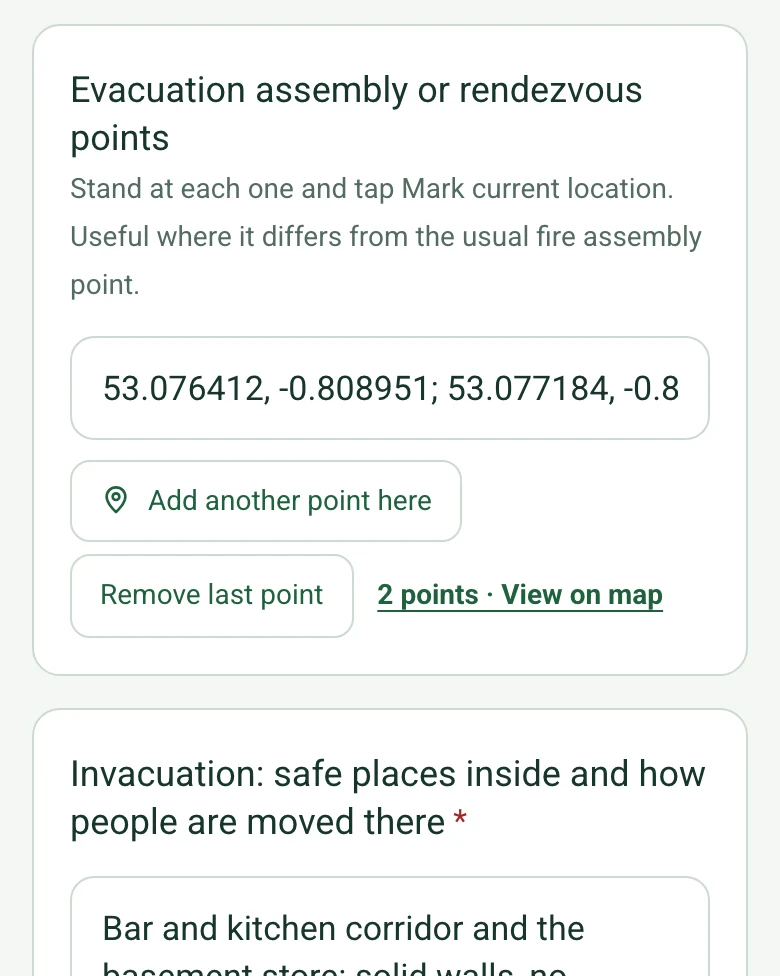
Stand at each assembly or rendezvous point and tap to add it, useful where it differs from the usual fire assembly point. Mark current location works on web forms in any phone browser today, and the app version is on its way.
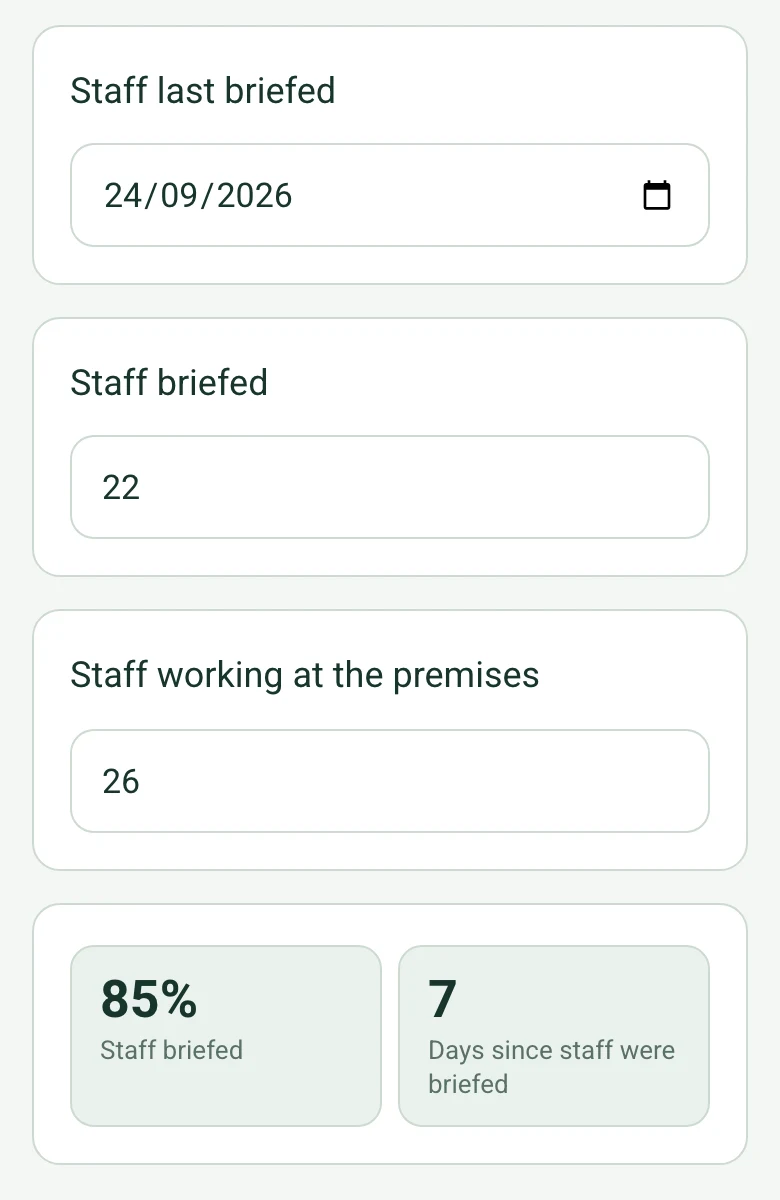
Enter the staff briefed and the staff working there. The form works out the share briefed and the days since, with a note when not everyone has been told the procedures.
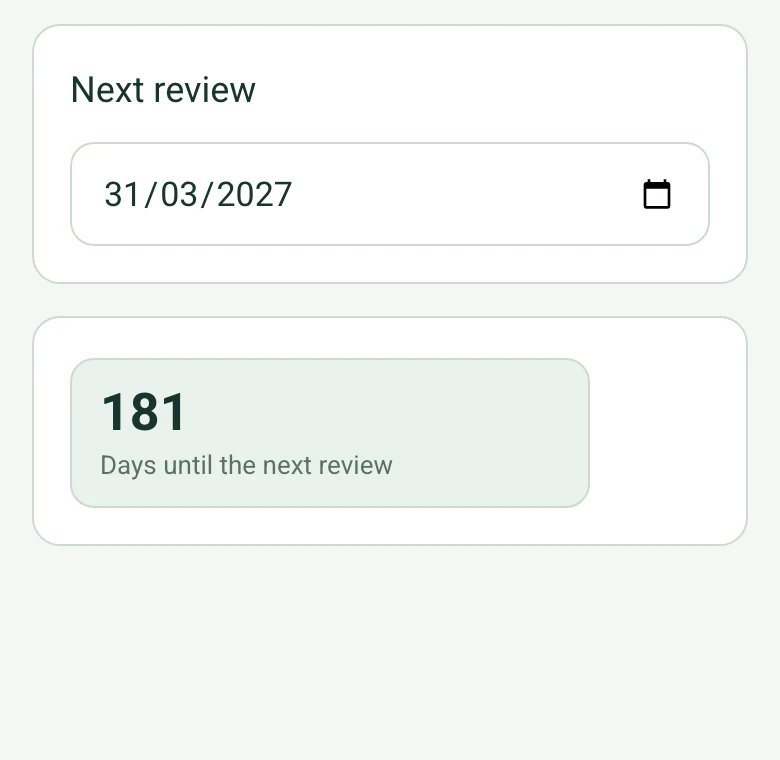
The form counts the days to the next review, with a note when it has passed or is more than a year away. The statutory guidance says a review could be carried out annually, depending on the circumstances.
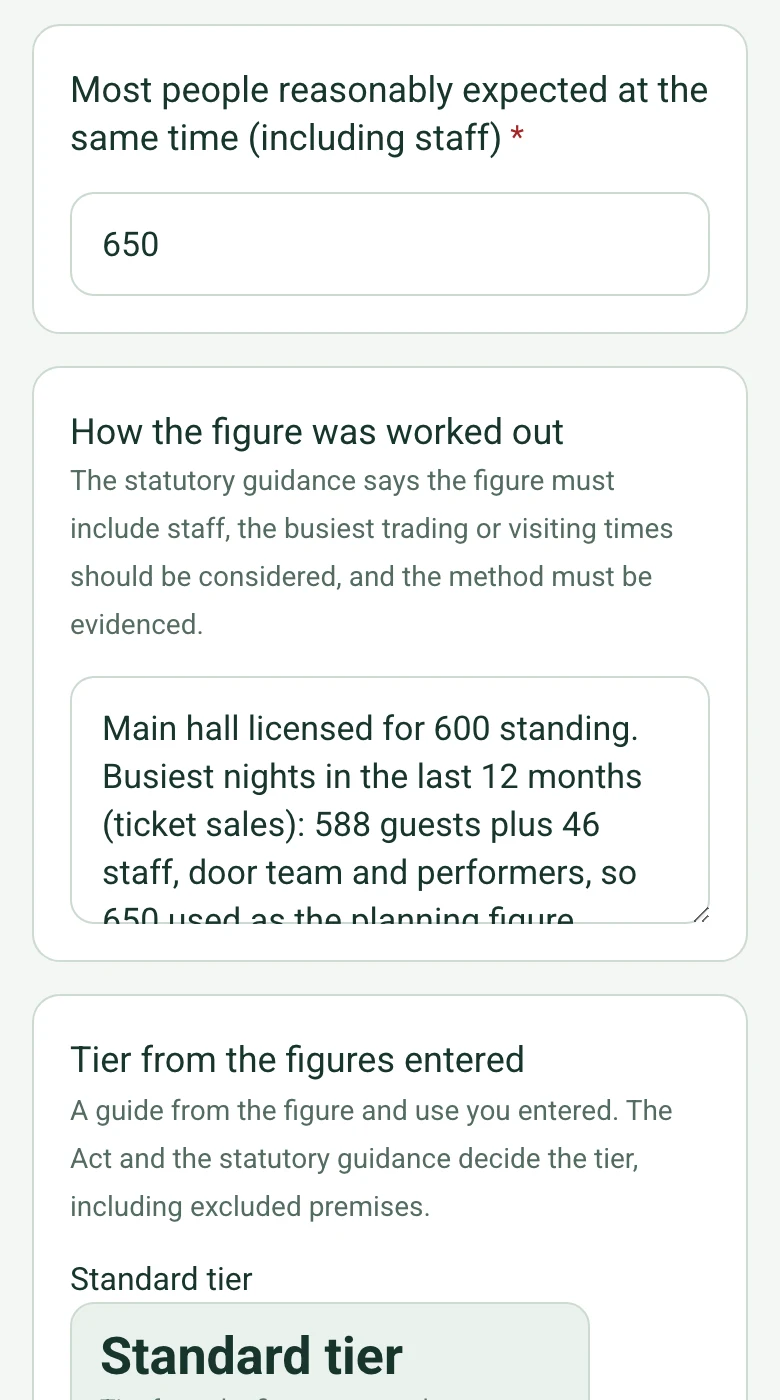
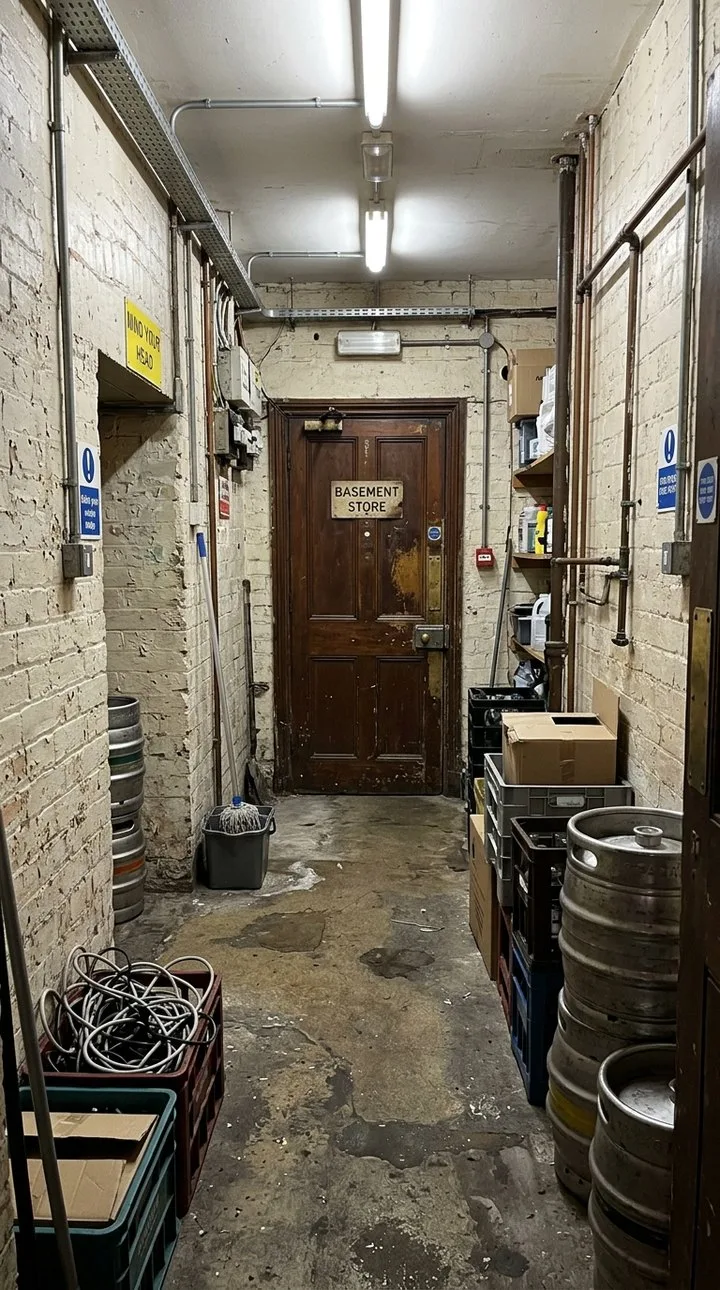
A fictional Victorian events hall for 650 people including staff: four procedures written down, two assembly points marked away from the fire assembly point, 22 of 26 staff briefed, and a walk-through that showed bar staff could not hear the PA. Open it as a filled-in form, or switch to a blank copy and try it yourself.
This is the real form as your team would use it: questions appear as you answer, scores work themselves out and you can add photos and signatures. No sign-up needed. Or open a completed example to see every answer, photo and score filled in.
A Martyn's Law (Terrorism (Protection of Premises) Act 2025) record: premises and capacity tier, SIA notification, evacuation, invacuation, lockdown and communication procedures, staff briefing, exercises and review. 4 sections and 39 questions. Follow-up questions and guidance appear only when an answer calls for them, so the person on site never sees the ones that do not apply.
✎
Make it your own: every question is editable
This is a starting point, not a fixed form. Once it is in your SiteSurvey account you can reword any question, add or remove questions, sections and answer options, and add your own logo, so it fits the way your team works and the jobs you do.
Details you only enter once
Add this form to a project in SiteSurvey and it fills in what the project already knows, so nobody on site retypes it and every form on the job uses the same names. Anything filled in can still be changed.
Project: the project name
Client: the project's customer
Site: the site, when the form is opened for a space or a product
Site address: the site address, from the space or the project
1
Premises
ProjectShort answer
Fills in from the project name
ClientShort answer
Fills in from the project's customer
Site*Short answer
Fills in from the site, when the form is opened for a space or a product
Site addressShort answer
Fills in from the site address, from the space or the project
Date*Date
Responsible person*Short answer
Main use of the premisesChoose one
Childcare, primary, secondary or further education
Place of worship
Another use listed in Schedule 1 (for example shops, food and drink, leisure, halls, hotels, health care, higher education)
Not a use listed in the Act
Most people reasonably expected at the same time (including staff)*Number
How the figure was worked outNotes
The statutory guidance says the figure must include staff, the busiest trading or visiting times should be considered, and the method must be evidenced.
Tier from the figures enteredWorked out by the form
A guide from the figure and use you entered. The Act and the statutory guidance decide the tier, including excluded premises.
Shown when “Most people reasonably expected at the same time (including staff)” is answered and “Main use of the premises” is answered
GuidanceThe Act covers premises wholly or mainly used for a use in its Schedule 1, such as shops, food and drink, entertainment and leisure, halls, hotels, places of worship, health care and education.
GuidanceStandard tier: 200 to 799 people, including staff. The responsible person must notify the Security Industry Authority and make sure appropriate public protection procedures are in place, so far as reasonably practicable, and that staff know them.
Shown only when the answers above make it relevant
Check800 or more people: enhanced tier, except premises used for childcare, primary, secondary or further education, or as a place of worship, which stay in the standard tier. Enhanced tier adds public protection measures, documenting compliance and, for an organisation, a designated senior individual. Use this record for the procedures part.
Shown only when the answers above make it relevant
GuidanceUnder 200 people: not qualifying premises under the Act, but these procedures are still good practice.
Shown only when the answers above make it relevant
GuidanceThe Act received Royal Assent on 3 April 2025. Its duties on premises are not yet in force: the government intends an implementation period of at least 24 months, and regulations will bring them into force. The statutory guidance (section 27, in force since 10 April 2026) was published on 15 April 2026. This record helps you get ready; it does not show that the premises comply.
Has the SIA been told who the responsible person is?Choose one
Yes
No
Not yet: the duty is not in force
2
Procedures
Evacuation: routes, exits and where people go*Notes
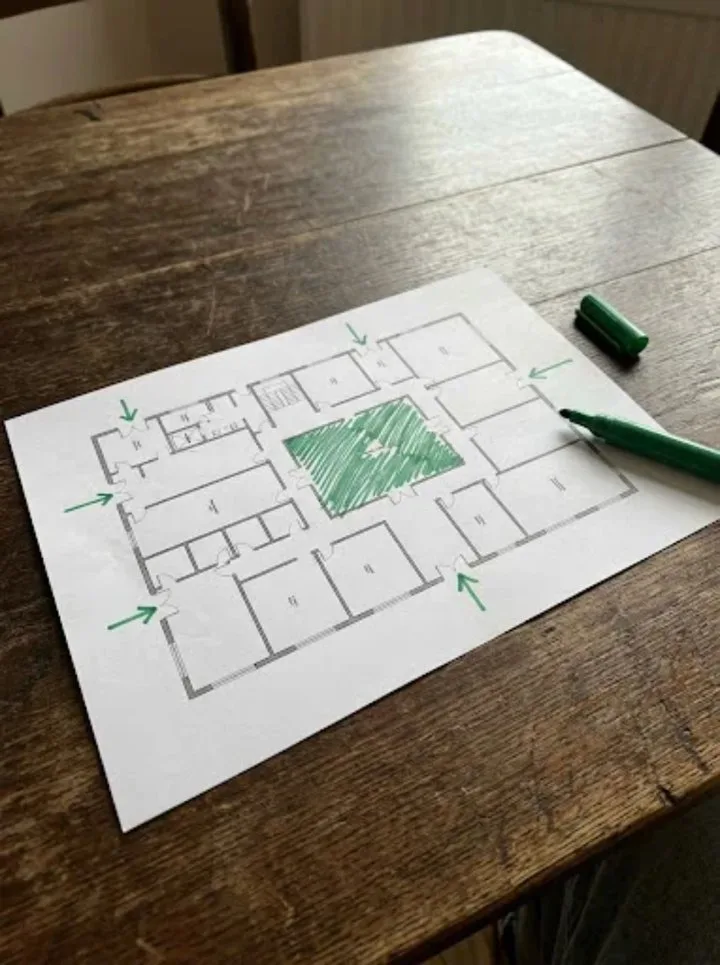
Evacuation assembly or rendezvous pointsShort answer
Stand at each one and tap Mark current location. Useful where it differs from the usual fire assembly point.
Invacuation: safe places inside and how people are moved there*Notes
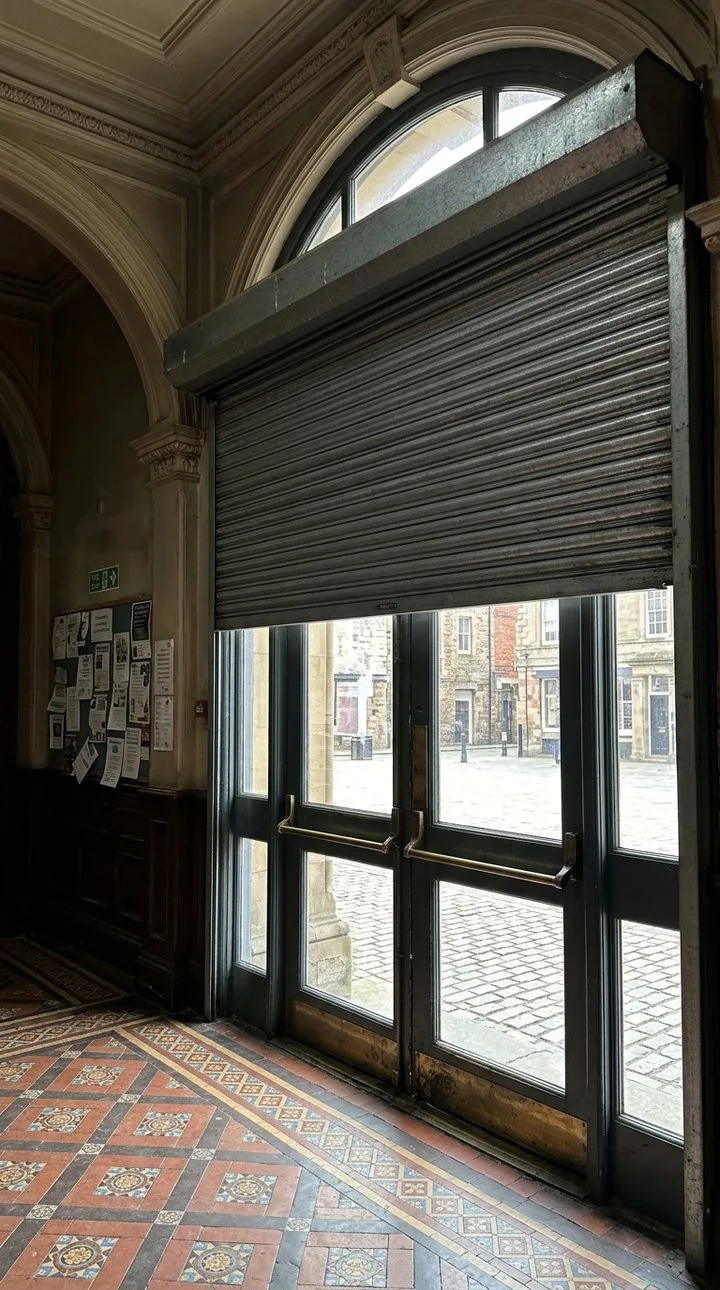
Lockdown: how doors and shutters are secured, and who does it*Notes
Communication: how staff and the public are alerted and told what to do*Notes
Means of communicationTick all that apply
PA system
Radios
Phones or messaging group
Fire alarm with a different tone
Staff runners
Other (describe)
Plans or photos of routes and safe placesPhotos
Walk Cam: routes and safe placesWalk Cam video with voice-to-text
Optional. Film a guided walk-through on the SiteSurvey app.
Procedures written down (of 4)Worked out by the form
CheckFewer than four procedures written down. The statutory guidance says it is good practice for even the simplest procedures to be documented, and where a procedure is not appropriate or reasonably practicable it could be helpful to record why.
Shown only when the answers above make it relevant
3
Briefing and exercises
Staff last briefedDate
Staff briefedNumber
Staff working at the premisesNumber
Staff briefed (%)Worked out by the form
Shown only when the answers above make it relevant
Days since staff were briefedWorked out by the form
Shown when “Staff last briefed” is answered and “Date” is answered
CheckNot every member of staff has been briefed. The statutory guidance says staff with a role in the procedures must be made aware of them and their role.
Shown only when the answers above make it relevant
Last exercise or walk-throughDate
Days since the last exerciseWorked out by the form
Shown when “Last exercise or walk-through” is answered and “Date” is answered
What the exercise showedNotes
Next reviewDate
Days until the next reviewWorked out by the form
Shown when “Next review” is answered and “Date” is answered
CheckThe review date has passed. Review the procedures now and set a new date.
Shown only when the answers above make it relevant
CheckThe next review is more than a year away. The statutory guidance says procedures should be kept under review and that a review could be carried out annually, depending on the circumstances.
Shown only when the answers above make it relevant
4
Actions and sign-off
Are further actions needed?Yes or No
Further actions
Repeat for each action. Each one asks:
Shown when “Are further actions needed?” is Yes
What needs doing?*Notes
PriorityChoose one
Urgent
High
Medium
Low
Who will do it?Short answer
Due dateDate
StatusChoose one
Open
In progress
Completed
Completed by*Short answer
Position or companyShort answer
SignatureSignature
CheckSigning records the procedures as they stand on this date. It does not confirm that the premises comply with the Act.
See it filled in
A completed martyn's law report, made by SiteSurvey from a fictional site visit: every answer, the photos, the guidance that applied and the sign-off, ready to send as a PDF.
The Act received Royal Assent on 3 April 2025, but its duties on premises are not yet in force. The government intends an implementation period of at least 24 months, and regulations will bring the duties into force. The statutory guidance under section 27 came into force on 10 April 2026 and was published on 15 April 2026.
What is invacuation?
Moving people away from danger to a place within the premises where there is less risk of physical harm. It can include bringing people inside from outside, where it is safe to do so.
Do standard tier premises need physical security?
The Act does not require physical alterations or the purchase of equipment to put procedures in place. Enhanced tier premises and qualifying events also need public protection measures and must document how they comply.
How is the tier decided?
By the greatest number of people, including staff, it is reasonable to expect at the same time. Premises used for childcare, primary, secondary or further education, or as a place of worship, stay standard tier even at 800 or more.
Do staff need to know the procedures?
Yes. The guidance says people working at the premises must be made aware of the procedures so they can put them into practice. Record when staff were briefed and the last walk-through or exercise, and what it showed.
Who uses this?
Venue, event, pub, restaurant, retail and leisure managers, places of worship and security consultants.